7 Proven Ways to Increase Attic Ventilation, Save Energy, and Extend Roof Life
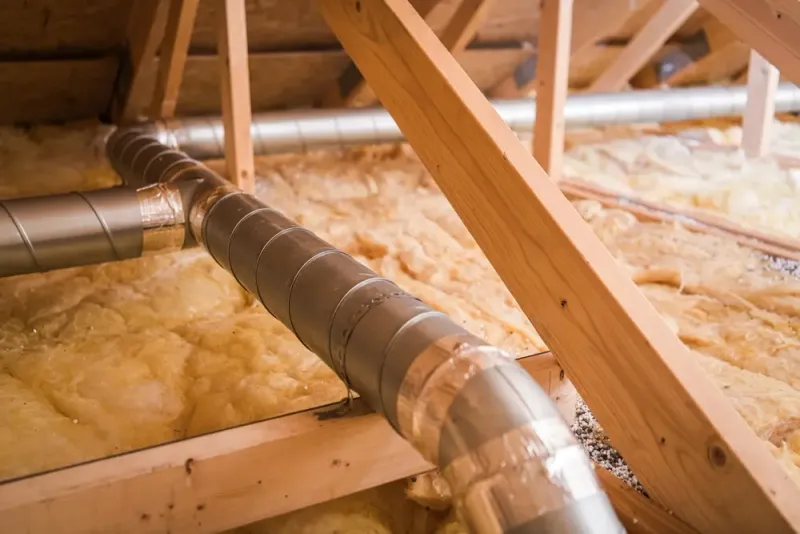
Poor attic ventilation can lead to significant problems in your home, from sky-high energy bills to premature roof failure. When hot, moist air gets trapped in your attic, it creates the perfect environment for mold growth, wood rot, and shingle damage. These issues often go unnoticed until they cause extensive damage, leaving you with costly repairs that could have been avoided.
Learning how to increase attic ventilation isn’t just about comfort—it’s about protecting your entire home. In this guide, we’ll explore seven proven methods to dramatically improve airflow in your attic, reduce energy consumption, and extend your roof’s lifespan. You’ll discover simple calculations to determine your ventilation needs, understand the various vent types available, and learn how to avoid common mistakes that compromise your roof system’s performance.
Why Proper Attic Ventilation Is Critical for Your Home
Proper attic ventilation works on the principle of the “stack effect”—the natural movement of air from low to high points in your home. In winter, this ventilation prevents warm, moist household air from condensing in your cold attic. In summer, it allows hot air to escape rather than radiating down into your living spaces.
Without adequate ventilation, several serious problems can develop:
- Ice Dams: In winter, poor ventilation leads to uneven roof temperatures, causing snow to melt and refreeze at the eaves, forming destructive ice dams that can require storm damage repair.
- Moisture Damage: Trapped humidity leads to condensation, promoting mold growth, wood rot, and deterioration of your attic structure and insulation.
- Heat Damage: Excessive heat (often reaching 150°F in poorly ventilated attics) can warp roof decking, crack or curl shingles, and damage other roofing components.
- Increased Energy Costs: Your cooling system works harder when heat radiates down from the attic, sometimes increasing your cooling costs by 30%.
- Shortened Roof Lifespan: Manufacturers often void warranties on roofing materials installed without proper ventilation, as they know it drastically reduces product lifespan.
Understanding Your Current Ventilation System
Before implementing improvements, it’s important to know what vents are on my roof and how they’re performing. A proper assessment means identifying both intake and exhaust vents in your current system. Common vent types you might already have include:
- Ridge vents: Installed along the peak of your roof
- Soffit vents: Located under the eaves
- Gable vents: Positioned on the exterior walls of the attic
- Box vents: Small, low-profile vents scattered on the roof surface
- Powered vents: Including ceiling mount attic fan systems or attic electric fan units
Signs your current ventilation is inadequate include:
- Hot ceilings in summer
- Excessive energy bills
- Ice dam formation in winter
- Moisture or frost in your attic
- Mold or mildew growth
- Premature shingle aging or curling
Look for these red flags as they indicate it’s time to improve your attic ventilation system. Understanding what vents are on my roof is the first step toward creating an effective ventilation strategy.
7 Proven Methods to Improve Your Attic Ventilation
1. Ridge Vents - The Most Effective Exhaust Option
Ridge vents are installed at the peak of your roof, allowing hot air to escape at the highest point. This continuous vent system provides uniform exhaust ventilation along the entire ridge line.
Benefits:
- Nearly invisible from ground level
- Work with natural convection
- Provide consistent airflow across the entire attic
- No moving parts to maintain or replace
- Weather-resistant design to prevent rain or snow infiltration
For optimal performance, ridge vents should always be paired with soffit vents to create a complete intake and exhaust system.
2. Soffit Vents - Essential Intake Ventilation
Soffit vents serve as the intake portion of your ventilation system, drawing fresh air into the attic from beneath your roof overhang. This cool air pushes hot air up and out through exhaust vents.
Options include:
- Continuous soffit vents (long, narrow strips)
- Individual soffit vents (small, spaced units)
- Vented vinyl or aluminum soffit panels
To work effectively, soffit vents must have clear pathways to the attic. Baffles or rafter vents should be installed to prevent insulation from blocking these crucial air intake points.
3. Gable Vents - Traditional Side Wall Ventilation
Gable vents are installed on the exterior walls of the attic in the triangular area just under the roof peak. They work as both intake and exhaust vents depending on wind direction.
Considerations:
- Most effective in areas with consistent breezes
- May not provide sufficient ventilation alone
- Can be decorative while functional (various shapes and designs available)
- Should be sized appropriately for your attic space
While gable vents are traditional, they’re often most effective when combined with soffit vents in a balanced system.
4. Box Vents (Roof Louvers) - Targeted Exhaust Points
Box vents are small, low-profile units installed near the roof ridge that allow hot air to escape. They’re simple in design, with no moving parts, and rely on natural convection to function.
Installation tips:
- Multiple units are typically needed for adequate ventilation
- Should be placed high on the roof to maximize the stack effect
- Work best when evenly distributed across the roof area
- Can complement other ventilation methods in challenging roof designs
Box vents are particularly useful for roofs where a continuous ridge vent isn’t practical due to design constraints.
5. Ceiling Mount Attic Fans - Powered Circulation
A ceiling-mount attic fan provides mechanical ventilation by actively pulling hot air from your attic. These units are typically installed in the ceiling of your attic and exhaust air through a roof or gable vent.
Advantages:
- Provides powerful, consistent ventilation regardless of outdoor conditions
- Can be thermostatically controlled to operate only when needed
- Works well in extremely hot climates where natural ventilation may be insufficient
- Can significantly reduce attic temperatures within minutes of operation
For optimal efficiency, powered ventilation systems should be sized correctly for your attic space and paired with adequate intake vents.
6. Attic Electric Fans - Boosting Natural Ventilation
An attic electric fan can be mounted on your roof, gable, or even inside the attic to mechanically exhaust hot air. These powered units can move large volumes of air quickly, providing immediate relief during extreme temperatures.
Considerations:
- Requires electrical connection (increasing operating costs)
- Can be equipped with humidistats to address moisture issues
- Some models include built-in thermostats for automated operation
- Higher-end units offer remote monitoring and control
When installing an attic electric fan, ensure your attic has sufficient intake ventilation to prevent the fan from creating negative pressure that could pull conditioned air from your living space.
7. Solar-Powered Attic Fans - Energy-Efficient Options
Solar-powered attic fans combine the benefits of powered ventilation without increasing energy costs. These units use solar panels to drive a fan that exhausts hot attic air.
Benefits:
- Zero operating costs
- Environmentally friendly
- Work hardest when needed most (sunny, hot days)
- Many models include battery backup for operation after sunset
- Often qualify for energy efficiency tax credits or rebates
Solar fans can be especially beneficial for homes with sophisticated roofing systems, such as those with custom metal roof colors or metal roof snow bars, where traditional ventilation may be challenging.
Calculating the Right Ventilation for Your Home
Proper ventilation requires a mathematical approach using the concept of Net Free Area (NFA)—the actual space available for air to pass through a vent.
The building code standard for attic ventilation is typically 1 square foot of NFA per 150 square feet of attic floor space. This is often referred to as the 1:150 rule. If your attic has a vapor barrier, you can use the 1:300 rule (1 square foot of NFA per 300 square feet of attic space).
To calculate your needs:
- Measure your attic floor area (length × width)
- Divide by 150 (or 300 if you have a proper vapor barrier)
- The result is your required NFA in square feet
Example: For a 1,800 square foot attic floor without a vapor barrier: 1,800 ÷ 150 = 12 square feet of NFA needed
The critical part is balancing this area between intake and exhaust—ideally a 50/50 split. This means you’d need 6 square feet of intake vents (typically soffits) and 6 square feet of exhaust vents (ridge, gable, or other types).
Manufacturers specify the NFA for their products, so you can calculate how many units you need to achieve the proper ventilation.
Common Ventilation Mistakes to Avoid
Even well-intentioned ventilation improvements can be undermined by these common mistakes:
Blocking Soffit Vents
One of the most frequent issues occurs when attic insulation covers soffit vents, preventing air intake. Always install proper baffles or vent chutes to maintain clear airflow paths from soffits into the attic.
Mixing Competing Vent Types
Installing multiple exhaust vent types (such as ridge vents with gable vents) can create “short-circuiting,” where air takes the path of least resistance rather than flowing through your entire attic. Generally, it’s best to choose one exhaust vent system and stick with it.
Improper Ratio of Intake to Exhaust
When exhaust capacity exceeds intake capacity, negative pressure develops, potentially drawing conditioned air from your living space or pulling moisture through building materials. On the other hand, excessive intake without adequate exhaust creates a positive pressure that can force moist air into your insulation and building materials.
Ignoring Climate-Specific Needs
Ventilation needs vary significantly by climate. Homes in hot, humid regions typically need more ventilation than those in cooler areas. Similarly, homes in snowy regions must balance ventilation with insulation concerns.
Failing to Account for Special Roofing Systems
Special roofing materials or systems, such as TPO membrane installation on low-slope sections or various roof styles, may require specialized ventilation approaches.
Improve Ventilation Today!
Proper attic ventilation is a critical yet often overlooked component of your home’s roof system. The right ventilation solution balances intake and exhaust, works with your specific roof design, and addresses your local climate challenges. Are you ready to feel the difference?
At Brandon J Roofing, we understand that every home is unique and requires a customized approach to ventilation. Our team of experts can assess your current system, identify deficiencies, and recommend the most effective improvements for your specific situation. From installing ridge vents to implementing powered solutions like a ceiling-mount attic fan, to calculating the precise NFA requirements for your home, we provide comprehensive ventilation solutions you can trust.