Protect Your Roof: Types, Installation, and Cost of Snow Stops
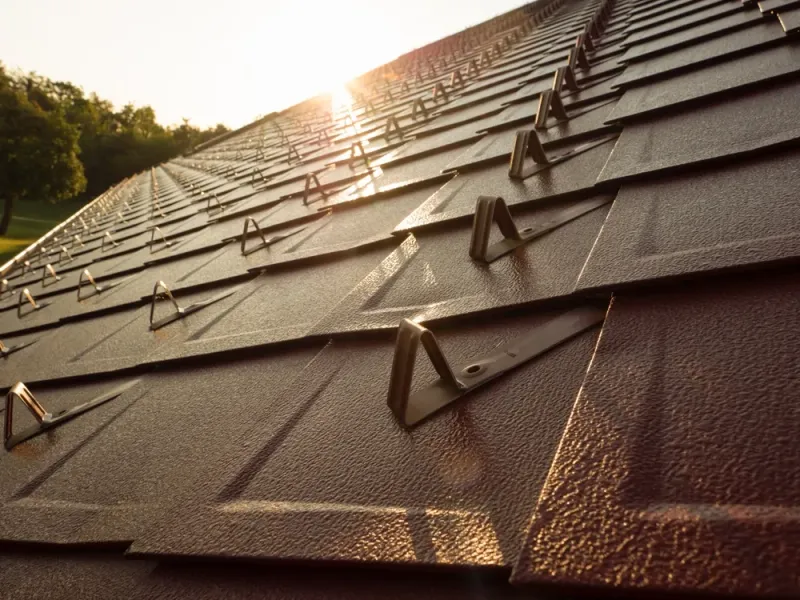
Winter brings beautiful snowy landscapes, but it also creates serious hazards for homeowners with sloped roofs. When accumulated snow and ice suddenly slide off your roof, they can damage gutters, landscaping, vehicles, and even cause serious injury to people walking below. This dangerous situation is particularly common with metal roofing, where the smooth surface creates perfect conditions for avalanche-like snow slides.
That’s why understanding how to protect your property from these winter hazards is essential. In this guide, we’ll explore the various types of snow stops for roof systems, proper installation methods, and the costs associated with these critical safety features. You’ll learn how to choose the right snow retention system for your specific roof type and why professional installation might be your best investment. Let’s shield your roof from purlins to shingles!
What Are Snow Stops and Why Your Roof Needs Them
Snow stops for roof systems are specialized devices installed on roofs in snowy climates to prevent large masses of snow and ice from sliding off all at once. They work by breaking up snow and ice into smaller sections, allowing it to melt gradually and slide off in smaller, less dangerous amounts. Without proper snow retention, the consequences can be severe:
- Damaged gutters and downspouts
- Destroyed landscaping and outdoor fixtures
- Smashed vehicles
- Blocked entrances and exits
- Personal injury to passersby
- Potential liability issues for property owners
These systems are particularly crucial for metal roofs, which become extremely slippery when wet or covered with ice. Even asphalt shingle roofs with steeper pitches or mechanically fastened TPO can experience dangerous snow slides during thaw cycles.
Types of Snow Stops for Different Roof Materials
Pad-Style Snow Guards
Pad-style snow guards are small, individual units installed in multiple rows or patterns across the roof. These guards are ideal for:
- Asphalt shingle roofs
- Wood shake roofs
- Some types of metal roofs
They work by creating friction points that hold snow in place. Most pad-style guards are made from polycarbonate or metal, with various finishes to match your roof’s appearance. Pair that with good siding services, and you’re ready for the season.
Fence-Style Snow Retention Systems
Metal roof snow rail systems are continuous barriers installed horizontally across the roof. These systems are particularly effective for:
- Standing seam metal roofs
- Corrugated metal roofs
- Roofs in areas with heavy snowfall
A metal roof snow rail typically consists of one or more horizontal bars supported by brackets attached to the roof’s seams or surface. This continuous barrier provides superior strength to withstand substantial snow loads.
Bar-Style Snow Guards
Metal roof snow bars provide another effective option for snow retention. These systems typically feature:
- Horizontal aluminum or steel bars
- Multiple rows for heavy snow regions
- Non-penetrating clamps for standing seam roofs
Metal roof snow bars are especially popular for commercial buildings with metal roofs, but they’re also used in residential applications due to their reliability and clean appearance.
Specialized Snow Guards for Metal Roofs
Snowbirds for metal roof systems are specialized guards designed specifically for metal roofing. These unique retention devices:
- Attach without roof penetration
- Work with the natural expansion and contraction of metal roofing
- Come in various styles to match the roof aesthetics
Snowbirds for metal roof applications are typically installed along the lower portions of the roof, often in multiple rows depending on the roof pitch and local snow loads.
How to Choose the Right Snow Stops for Your Roof
Selecting the appropriate snow retention system requires considering several critical factors:
Roof Material: Different systems work better with specific roofing materials.
- Clamp-on systems for standing seam metal
- Adhesive-mounted for smooth metal panels
- Mechanically attached to asphalt shingles
Roof Pitch: Steeper roofs require more robust systems and possibly multiple rows.
Snow Load Calculations: Local building codes often specify design snow loads.
Aesthetics: Snow retention systems come in various colors and styles to complement your roof.
Warranty Considerations: Some roof warranties require specific attachment methods.
For roofs with complex designs or multiple pitches, you might need a combination of different snow retention products. Professional assessment is recommended for these situations.
Professional Installation Best Practices
Proper Placement and Spacing
Effective snow retention depends heavily on the correct placement and spacing of guards:
- Lower roof edges require more protection
- Valleys and transitions need special attention
- Areas above entrances, walkways, and parking spaces deserve reinforced protection
For optimal performance, snow retention should be installed:
- In multiple rows for steep pitches (>8:12)
- With mathematical calculations for spacing based on roof pitch and snow load
- Following manufacturer guidelines for specific products
Installation Methods for Different Roof Types
Installation techniques vary by roof type:
For asphalt shingle roofs:
- Mechanical fastening through shingles into the roof decking
- Proper sealing around penetrations with high-quality sealant
- Strategic placement to avoid visible fasteners
For metal roofs:
- Non-penetrating clamps for standing seam profiles
- VHB tape or structural adhesive for smooth metal panels
- Specialized brackets that work with particular panel profiles
Common Installation Mistakes
Avoid these frequent installation errors:
- Inadequate number of snow guards for the roof area
- Improper spacing that creates weak points
- Using the wrong attachment method for your roof type
- Failing to consider roof valleys and transitions
- Installing guards that don’t have sufficient strength for local snow loads
Professional installation is recommended for most snow retention systems. Experienced contractors understand the engineering principles involved and can ensure your system meets local building codes.
Cost Breakdown: Materials and Installation
Material Costs
The cost of snow retention systems varies widely based on type and quality:
- Basic plastic snow guards: $2-$5 per piece
- Metal pad-style guards: $5-$15 per piece
- Rail systems: $10-$25 per linear foot
- Complete systems for an average home: $800-$3,500 in materials
Premium finishes, copper components, and custom colors will increase material costs.
Installation Costs
Professional installation typically costs:
- $300-$700 for a small roof section
- $1,000-$3,500 for complete coverage on an average home
- $15-$25 per linear foot for rail systems
Factors affecting installation costs include:
- Roof height and accessibility
- Roof complexity
- Local labor rates
- Season (winter installation may cost more)
Return on Investment
When considering the cost, remember that snow retention systems protect:
- Your roof warranty
- Expensive gutters and downspouts
- Landscaping and outdoor structures
- Vehicles parked near the building
- The safety of family and visitors
Many insurance companies offer discounts for homes with properly installed snow retention systems, recognizing their role in preventing damage claims.
Maintenance and Longevity of Snow Retention Systems
Quality snow retention systems require minimal maintenance. However, periodic inspection is recommended to check for:
- Loose fasteners or clamps
- Damaged or missing components
- Signs of stress or bending
- Corrosion issues with metal components
Most high-quality systems will last 25+ years when properly installed. Systems with powder-coated or anodized finishes typically maintain their appearance throughout their lifespan. After extreme weather events, a quick visual inspection can identify any components that need attention. Addressing minor issues promptly prevents high roof replacement costs later.
Protect Your Home Every Season
Installing appropriate snow retention systems on your roof is a wise investment for any property in a snow-prone region. These systems prevent dangerous snow slides, protect valuable property, and provide peace of mind during winter months. Brandon J Roofing understands the unique challenges homeowners face with roof snow management and offers expert guidance on the best solutions for your specific situation.
Our professionals can assess your roof’s needs, recommend appropriate snow retention options, and ensure proper installation that complies with manufacturer specifications and local building codes. Don’t wait for a costly or dangerous incident to occur. Contact Brandon J Roofing today to discuss how we can help protect your home and family.