
Ensure Proper Airflow: Best Practices for Metal Roof Ridge Venting and Installation
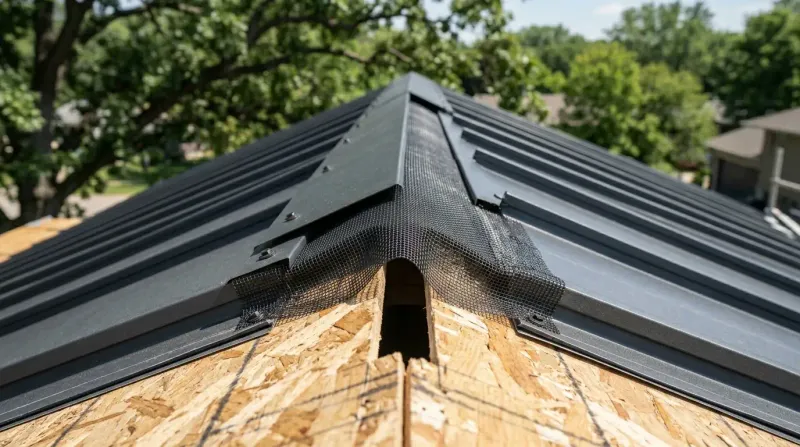
Metal roofs offer exceptional durability and longevity, but without proper ventilation, they can suffer from moisture buildup, excessive heat, and premature aging. Poor airflow in your roof system can lead to condensation, which can cause rust, mold growth, damaged insulation, and even structural problems. These issues often start small but can quickly escalate into costly repairs if not addressed properly.
Proper metal roof venting ridge systems are essential for maintaining the health and performance of your metal roof. In this guide, we’ll explore the importance of roof ventilation, different vent types, how to calculate your ventilation needs, and step-by-step installation techniques. Whether you’re planning a DIY project or working with a professional, this information will help you make informed decisions about your metal roof ventilation system.
Why Ventilation is Critical for Metal Roofs
Preventing Moisture Damage
Metal roofs are excellent at shedding water from the outside, but moisture from inside your home can become trapped without adequate ventilation. This trapped moisture can condense on the underside of your roof system, causing several problems:
- Rust and corrosion on metal components
- Wet insulation that loses its thermal efficiency
- Mold and mildew growth in your attic space
- Wood rot in the roof decking and structural supports
Proper ridge venting creates a pathway for this moisture to escape before it can cause damage.
Reducing Heat Buildup
Metal roofs can absorb significant heat during the summer months. Without proper ventilation, this heat transfers into your attic space and living areas, leading to:
- Increased cooling costs
- Premature aging of roofing materials
- Excessive strain on your HVAC system
- Uncomfortable indoor temperatures
A well-designed ridge vent system creates natural convection, allowing hot air to escape through the highest point of your roof.
Preventing Ice Dams
In colder climates, inadequate ventilation can cause uneven roof temperatures, leading to ice dam formation. These ice buildups can create water infiltration points, forcing you to getroof leak repairs. Proper ridge venting helps maintain consistent roof surface temperatures, reducing the risk of ice dams that can damage roofs.
Types of Metal Roof Ridge Vents
Roll Vents
Roll vents (sometimes called shingle-over vents) are flexible, low-profile options that run the entire length of the ridge. Benefits include:
- Consistent airflow along the entire ridge
- Easy installation on existing roofs
- Lower profile appearance
- Weather resistance when properly installed
For metal roofs, specially designed roll vents with weather-resistant features are recommended over standard asphalt roof versions.
Standing Seam Ridge Vents
These specialized vents are designed for standing-seam metal roofs. They feature:
- Integration with the standing seam profile
- Higher airflow capacity
- Enhanced weather protection
- Clean, architectural appearance
Steel roof ridge vent installation for standing seam systems typically requires specialized components that match the specific panel profile.
Profile Vent Systems
These systems use foam or mesh materials that conform to the specific profile of corrugated or ribbed metal roofing panels. Key features include:
- Custom fit for various metal panel profiles
- Blocks insects and weather while allowing airflow
- Can be used with standard ridge caps
- Often more affordable than specialized metal venting systems
Many contractors prefer these for retrofit applications on existing metal roofs.
Ridge Caps with Built-in Venting
Some manufacturers offer metal roof ridge cap options from Home Depot with integrated ventilation features. These all-in-one systems provide:
- Simplified installation process
- Coordinated appearance
- Manufacturer warranty coverage
- Specialized weather resistance features
These systems are particularly popular for residential metal roofs where aesthetics are important.
Calculating Net Free Area (NFA) Requirements
Understanding Net Free Area
Net Free Area (NFA) represents the actual space available for air movement through a ventilation product. It’s typically measured in square inches per linear foot. Proper ventilation requires balancing intake vents (at the eaves) with exhaust vents (at the ridge).
Basic Calculation Formula
The standard recommendation is 1 square foot of NFA for every 150 square feet of attic floor space, split evenly between intake and exhaust vents. Here’s a simple formula:
- Calculate your attic square footage
- Divide by 150
- Divide the result by 2 (half for intake, half for exhaust)
For example, a home with a 1,500 square foot attic would need 10 square feet (1,440 square inches) of total NFA, with 5 square feet (720 square inches) at the ridge.
Determining Ridge Vent Length
To calculate how many linear feet of ridge vent you’ll need:
- Determine the required NFA for your ridge (from the previous calculation)
- Check the manufacturer’s specifications for NFA per linear foot of their product
- Divide your required NFA by the product’s NFA rating
For instance, if you need 720 square inches of ridge NFA and your vent provides 18 square inches per foot, you’ll need 40 linear feet of ridge vent.
Step-by-Step Installation Guide
Preparation and Safety
Before beginning your steel roof ridge vent installation:
- Ensure all required permits are obtained
- Gather necessary safety equipment (harnesses, gloves, eye protection)
- Check weather forecasts for ideal conditions
- Measure and mark the ridge vent placement
- Gather all required tools and materials
Basic Installation Steps
Remove Existing Ridge Cap
Carefully remove any existing ridge cap and fasteners.
Cut Ventilation Slot
For most ridge vents, you’ll need to cut a slot along the ridge:
- Measure and mark the slot width according to the manufacturer’s specifications
- Typically 2″ wide (1″ on each side of the ridge)
- Leave 6″ uncut at each end of the ridge
- Use appropriate cutting tools for your roof decking
Install Vent Material:
- Position the vent material centered over the ridge slot
- Secure according to the manufacturer’s instructions
- Ensure proper overlap at seams
Install Ridge Cap:
- Place the metal roof ridge cap home depot product over the vent material
- Secure with appropriate fasteners and proper spacing
- Use manufacturer-recommended sealants where specified
Handle Intersections
For the metal roof ridge cap, the intersection points:
- Install specialized transition pieces
- Apply appropriate flashing
- Ensure proper water diversion
- Use compatible sealants at all joints
Common Installation Mistakes to Avoid
- Insufficient slot width leading to restricted airflow
- Improper fastener selection or spacing
- Missing or improper application of sealants
- Inadequate overlap at seams
- Blocking ventilation with insulation
- Failing to balance ridge vents with intake vents
Best Practices and Maintenance Tips
Material Selection
Choose high-quality, compatible materials for your specific roof:
- Select ridge vent products specifically designed for metal roofing
- Ensure fasteners are compatible with your metal roof (avoid galvanic corrosion)
- Use manufacturer-recommended sealants and butyl tapes
- Consider UV and weather resistance in all components
Weatherproofing Considerations
Proper weatherproofing is essential for metal roof venting ridge systems:
- Follow manufacturer guidelines for overlaps and sealant application
- Install appropriate water diverters at the metal roof ridge cap t intersection points
- Consider additional flashing at critical junctions
- Implement proper end caps and closures
Maintenance Recommendations
To ensure continued performance:
- Inspect ridge vents annually for damage or blockages
- Check for proper sealing and secure fasteners
- Clear debris from vents and ensure free airflow
- Look for signs of moisture or condensation in the attic
- Monitor interior humidity levels during extreme weather
Special Regional Considerations
Adjust your approach based on your climate:
- High Snow Areas: Select taller profile vents with snow guards
- High Wind Regions: Use additional fasteners and wind-resistant designs
- Coastal Areas: Choose corrosion-resistant materials throughout
- Hot Climates: Consider higher NFA requirements for maximum heat removal
Improve Ventilation with Brandon J Roofing
Proper ventilation is one of the most critical yet often overlooked aspects of metal roof performance and longevity. A well-designed and correctly installed ridge vent system protects your investment by preventing moisture damage, reducing heat buildup, and extending the life of your entire roofing system. By understanding the fundamentals of ridge vent selection, proper sizing, and installation best practices, you can ensure your metal roof performs optimally for decades to come.
At Brandon J Roofing, we understand the complexities of metal roof ventilation systems and the importance of proper installation. Our experienced team specializes in custom ventilation solutions tailored to your specific roof profile, climate conditions, and aesthetic preferences. Whether you’re planning a new installation or addressing issues with an existing roof, we’re here to help guide you through the process with expert advice and professional service.