Kynar (PVDF) Metal Roof Coatings: Lifespan, Benefits, and Cost Comparison
When it comes to protecting a metal roof, the coating matters. Many property owners run into the same problems — fading paint, peeling finishes, rust creeping in at the edges, and coatings that simply don’t hold up after a few harsh seasons. Choosing the wrong coating can mean spending money repeatedly on touch-ups and repairs that add up fast. It’s a frustrating cycle that’s completely avoidable with the right information.
This guide breaks down everything you need to know about Kynar metal roof coating — what it is, how it compares to other options, how long it lasts, and what it costs. Whether you’re planning a new metal roof installation or thinking about recoating an existing one, you’ll walk away knowing exactly what to look for and why quality matters.
What Is Kynar (PVDF) and Why Does It Stand Out?
Kynar is a brand name for polyvinylidene fluoride (PVDF). It’s a high-performance fluoropolymer coating that manufacturers apply to metal roofing panels during production. The result is a finish that bonds tightly to the metal surface and creates a powerful barrier against the elements.
The Chemistry Behind the Performance
What makes Kynar different from standard coatings is its chemical structure. PVDF contains strong carbon-fluorine bonds, which are some of the most stable molecular bonds found in chemistry. These bonds resist breaking down when exposed to UV radiation, heat, moisture, and pollutants — the four biggest enemies of any roofing finish.
Here’s what that means in practice:
- UV resistance: Kynar reflects solar radiation rather than absorbing it, reducing heat buildup and preventing chalking or fading.
- Color retention: The pigments stay locked in place for decades. A roof coated with Kynar metal roof coating will look nearly the same 20 years later as it did on installation day.
- Moisture resistance: PVDF doesn’t absorb water, which means it won’t crack, blister, or support mold growth.
- Chemical resistance: It withstands acid rain, industrial pollutants, and salt air — making it ideal for coastal and urban environments.
This level of performance is why Kynar is the preferred finish for architectural metal roofing on commercial buildings, hospitals, schools, and high-end residential homes.
Kynar vs. Silicone vs. Acrylic: A Head-to-Head Comparison
Choosing a coating means weighing your options carefully. The three most common types used on metal roofs are Kynar (PVDF), silicone, and acrylic. Each has its place, but they’re not equal in performance or value.
When Silicone Makes Sense
A silicone sealant for metal is a solid choice for sealing seams, flashing, or penetrations. It’s flexible, waterproof, and handles temperature swings well. However, it’s not a full-surface coating solution — it works best as a sealer for tin roof edges and joints rather than as a primary finish coat. It also tends to attract dirt over time and can be tricky to repaint later.
The Limitations of Acrylic
Acrylic coatings are affordable and easy to apply, which makes them popular for budget projects. But they chalk and fade quickly under intense UV exposure. If your building is in a sunny or high-rainfall climate, an acrylic coating can start to look worn within 5 years. You’ll spend more over time recoating than you would have if you’d invested in a better solution upfront.
How Long Does a Kynar Coating Last?
The short answer: a properly applied Kynar coating can last 30 to 40 years. But several factors influence whether yours hits that ceiling or falls short.
Factors That Affect Kynar Coating Lifespan
1. Climate and Environment Extreme UV exposure, coastal salt air, freeze-thaw cycles, and industrial pollution all put stress on any coating. Kynar handles these conditions better than most, but roofs in harsh environments should be inspected more frequently.
2. Substrate Quality Kynar bonds to the metal during manufacturing, so the quality of the base metal matters. Galvalume and aluminum substrates generally outperform bare steel because they resist corrosion at the panel level. If you’re curious about substrate options, our guide ongalvalume metal roof covers what to look for.
3. Application Quality Factory-applied Kynar coatings go through a controlled coil-coating process that ensures even coverage and proper curing. Field-applied PVDF coatings require skilled professionals to achieve comparable results. Poor application leads to early failure, no matter how good the product is.
4. Maintenance Practices Regular cleaning keeps pollutants from building up and degrading the surface. Knowing how to clean a tin roof the right way — using mild detergents and soft brushes — protects the coating without scratching it. Avoid harsh pressure washing or abrasive cleaners.
5. Sealing and Upkeep Gaps at seams and penetrations let water in, which accelerates corrosion beneath the coating. Pairing Kynar panels with proper metal roof sealing practices dramatically extends overall roof performance.
To get a broader picture of what affects the overall lifespan of your roof, check out our post on the lifespan of a metal roof.
The Real Cost of Kynar: Materials, Labor, and Long-Term Value
Let’s talk numbers. Kynar is more expensive upfront than other coatings — but when you factor in lifespan and maintenance savings, the numbers often flip.
Material Costs
Kynar-coated metal panels typically cost between $3.50 and $6.00 per square foot for materials alone, depending on the panel profile, metal type, and color. This is higher than panels with standard polyester or acrylic finishes, which can run $1.50 to $3.00 per square foot.
Labor Costs
For new installations, labor adds another $3.00 to $7.00 per square foot, depending on roof complexity, slope, and your location. If you’re wondering about the cost to paint a metal roof for a recoat job using a field-applied PVDF system, expect labor to be a significant portion — professional application with proper surface prep, primer, and topcoat can run $2.50 to $5.00 per square foot in labor alone.
When Should You Choose Kynar Over Other Options?
Kynar isn’t always the right answer for every situation, but there are clear cases where it’s the best investment you can make.
Choose Kynar When:
- You’re installing new metal panels — Factory-applied Kynar is the standard for high-quality commercial and residential metal roofing. It’s the most reliable way to get consistent coverage and long-term performance.
- You’re in an extreme climate — High UV zones, coastal areas with salt exposure, or regions with frequent freeze-thaw cycles put enormous stress on coatings. Kynar’s chemical stability performs better under these conditions than any alternative.
- Color matters long-term — Businesses, HOAs, and design-forward homeowners who want their roof to look sharp decades from now should prioritize Kynar’s superior color retention.
- You want a long warranty — Most Kynar coatings carry 30-year paint warranties from manufacturers. That kind of coverage is simply not available with acrylic or standard polyester finishes.
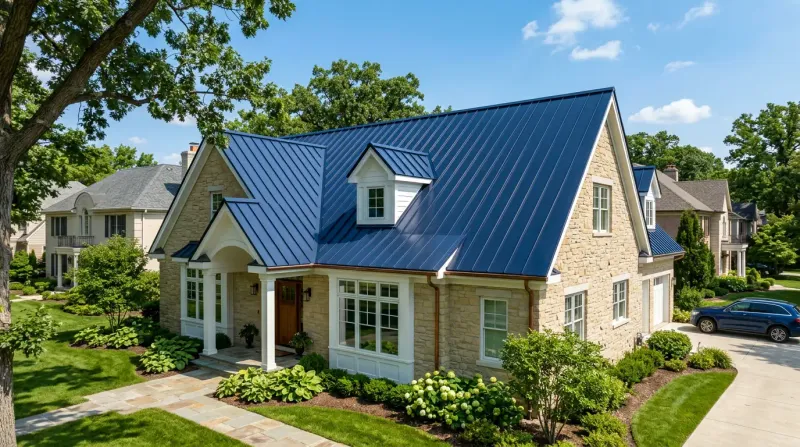
- You’re working on a high-value project — whether it’s a premium commercial building or a black standing-seam roof on a luxury home, Kynar delivers the aesthetic and durability that match a premium investment.
When to Consider Alternatives
If you’re on a strict budget for a short-term project, or if you just need to seal specific joints and penetrations, silicone or acrylic products can be appropriate. A sealer for tin roof joints, for example, doesn’t need to be PVDF — a quality silicone sealant for metal handles that job well. The key is matching the right product to the right application.
How to Maintain a Kynar-Coated Roof
Even the best coating needs basic care to reach its full lifespan. The good news is that Kynar doesn’t demand much.
Maintenance Tips for Kynar Metal Roofs
- Clean annually: Use a low-pressure rinse and mild soap solution. Understanding how to clean a tin roof properly prevents the buildup of dirt, algae, and pollutants that can degrade the surface over time.
- Inspect seams and flashing: Check for gaps or sealant failures around penetrations, edges, and fasteners at least once a year.
- Address scratches quickly: If the coating gets scratched down to bare metal, treat it with a touch-up paint that matches the Kynar system to prevent rust from spreading.
- Keep gutters clear: Standing water and debris buildup around the roof’s edges can trap moisture against the panels, accelerating wear at the perimeter.
- Avoid abrasive tools: Steel wool, wire brushes, and high-pressure jets can scratch or lift the coating. Stick to soft-bristle brushes and gentle cleaners.
Make the Right Choice for Your Metal Roof
Whether you’re managing a commercial property or investing in a new residential roof, choosing the right coating from the start saves you time, money, and headaches down the road. At Brandon J Roofing, we specialize in high-quality metal roofing services that include expert guidance on coatings, finishes, and long-term maintenance strategies.
Our team understands that every project is different, and we take the time to recommend solutions that fit your building, your climate, and your budget. When you’re ready to get a clear picture of your options — and real numbers for your specific project — we’re here to help.