Maximize Your Roof Damage Claim: A Property Owner’s Guide
Dealing with roof damage after a storm can be overwhelming, especially when you’re trying to navigate the complex world of insurance claim roof damage processes. From fallen trees to missing shingles, the aftermath of severe weather can leave you confused about where to begin and how to ensure you receive fair compensation. Many property owners face delays, underpaid claims, or outright denials simply because they don’t understand the claim process or make critical mistakes along the way.
This comprehensive guide by our home roof repair experts will walk you through every step of maximizing your roof insurance claim in Austin and beyond—from the moment you spot damage to the final payout. You’ll learn what documentation is required, how to work effectively with adjusters, and the crucial role your roofing contractor plays in the process. With the right approach, you can turn a stressful situation into a successful outcome that properly restores your home without draining your savings.
Immediate Steps After Discovering Roof Damage
When you first notice that your roof is damaged by a storm, taking swift and strategic action can significantly impact your insurance claim outcome.
Document the Damage Thoroughly
Before doing anything else, thoroughly document all visible damage:
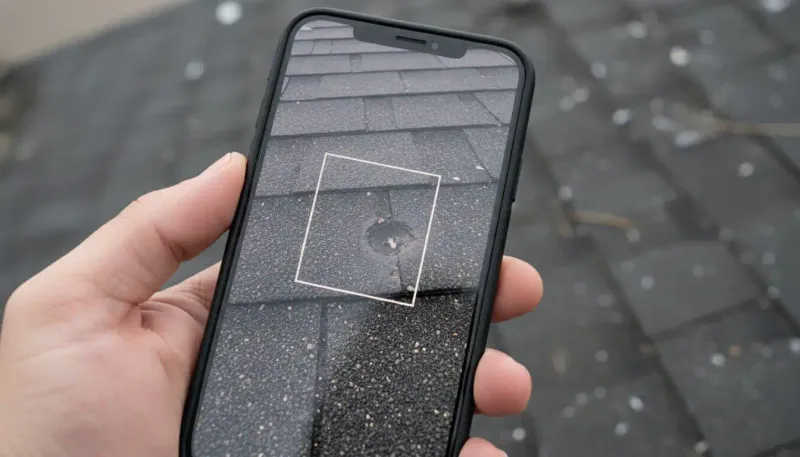
- Take clear, date-stamped photos from multiple angles
- Capture wide shots of the entire roof damaged by the storm and close-ups of specific damage
- Document any interior damage resulting from roof issues
- Make a written inventory of all affected areas
This evidence becomes your baseline proof of damage before any repairs begin. Without proper documentation, insurance companies may question when or how the damage occurred.
Perform Emergency Temporary Repairs
After documenting, take immediate measures to prevent further damage:
- Cover holes with tarps securely fastened
- Remove debris if safe to do so
- Place buckets under active leaks
- Save all receipts for emergency repair supplies
Insurance policies typically require you to take reasonable steps to mitigate additional damage. Failure to do so might result in denial of coverage for subsequent problems.
Report the Claim Promptly
Contact your insurance company as soon as possible. Most policies have reporting deadlines, and delays can compromise your claim. When making this initial call:
- Have your policy number ready
- Provide basic damage information
- Ask about next steps and timelines
- Request a claim number for reference
How to File Your Roof Insurance Claim Successfully
Filing an insurance claim for roof damage requires strategic communication and thorough preparation to maximize your chances of approval.
What to Say (and Not Say) to Your Insurance Company
Your communication with the insurance company can significantly impact the outcome of your claim. Many homeowners wonder if insurance pays for wind damage to roof structures, and the answer depends on your specific policy coverage.
Say This:
- “I’d like to report damage to my roof that occurred during the recent storm on [date].”
- “I’ve taken temporary measures to prevent further damage.”
- “I’ve documented the visible damage with photos.”
Avoid Saying:
- “It’s just minor damage” (Let professionals determine the severity)
- “I’ve been meaning to replace the roof anyway” (Suggests pre-existing issues)
- Making definitive statements about cause without professional assessment
Remember that insurance representatives are trained to look for reasons to minimize claims. Be factual, concise, and avoid speculation.
Selecting the Right Contractor
Choosing an experienced roofing professional is crucial for a successful roof insurance claim in Austin or anywhere else. Your contractor should:
- Have extensive experience with insurance claims
- Offer professional roof damage assessment services
- Be licensed, insured, and local to your area
- Have positive reviews specifically mentioning insurance claim handling
- Be willing to meet with your insurance adjuster
A qualified roofing company in St Louis, like Brandon J Roofing, knows exactly what adjusters look for and can ensure all damage is properly identified and documented.
Preparing for the Insurance Adjuster’s Visit
The adjuster’s inspection is a critical moment in your claim process. Proper preparation can make all the difference.
Before the Adjuster Arrives
Take these steps to prepare for a productive adjuster visit:
- Confirm the appointment time and be present
- Have all documentation organized and accessible
- Ensure your contractor can attend the inspection
- Make a list of all damaged areas to point out
- Review your policy coverage details
During the Inspection
When the adjuster inspects your property:
- Walk the entire property with them
- Point out all areas of concern
- Take notes on what the adjuster observes
- Ask questions about their findings
- Have your contractor present to provide professional input
Common Adjuster Limitations
Understanding potential adjuster limitations helps you advocate for a fair assessment:
- Limited time per inspection
- May not fully examine all damage areas
- Might not have specific roofing expertise
- Could be working with outdated pricing information
- Might be incentivized to minimize claim costs
The Critical Role of Your Roofing Contractor
Your roofing contractor is much more than just the person who will fix your roof—they’re your advocate throughout the claims process.
Expert Assessment and Documentation
A thorough professional roof damage assessment provides:
- Detailed identification of all damage, including hidden issues
- Proper documentation that meets insurance standards
- Expert opinion on whether repair or replacement is needed
- Industry-standard cost estimates
- Technical explanations that support your claim
Navigating Supplements and Scope Disputes
Often, the insurance company’s initial estimate doesn’t cover all necessary work. A qualified contractor will:
- Identify missing items in the insurance scope
- Submit supplement requests with proper documentation
- Negotiate directly with the insurance company
- Provide material and labor cost justifications
- Help prove the need for complete storm damage roof restoration
Proper Installation and Warranty Protection
When wondering how to get insurance to pay for new roof installation, remember that quality work ensures:
- Manufacturer warranty requirements are met
- Building code compliance is achieved
- Future insurance claims won’t be denied due to improper installation
- Long-term roof performance is maximized
- You receive proper documentation for completed work
Understanding Your Insurance Payout
Insurance settlements can be confusing. Understanding how payouts work is essential for maximizing your claim.
Actual Cash Value vs. Replacement Cost Value
There’s a crucial difference between these two valuation methods:
Actual Cash Value (ACV):
- Pays only the depreciated value of your damaged roof
- Factors in age and condition of materials
- Results in a lower initial payout
- May leave you with significant out-of-pocket costs
Replacement Cost Value (RCV):
- Eventually pays the full cost to replace with like materials
- Usually involves a two-step payment process
- Requires actual completion of repairs/replacement
- Provides better coverage but may require upfront costs
Navigating Depreciation and Holdbacks
Many policies with replacement cost coverage use a two-phase payment system:
- Initial payment (ACV minus deductible)
- Recoverable depreciation (paid after work completion)
This system often creates challenges:
- You may need to fund the difference until work is completed
- Strict deadlines apply for claiming recoverable depreciation
- Documentation requirements must be precisely followed
- Some may need to explore a loan for roof repair to cover the gap
What To Do If Your Claim Is Denied
Even with proper preparation, claims are sometimes denied. Don’t give up—you have options.
Understanding the Denial
First, get clear on why the claim was denied:
- Request the denial in writing with specific reasons
- Review your policy language regarding the stated reasons
- Ask if any additional information might reverse the decision
- Understand the appeal deadline
Common Denial Reasons
Insurance companies often deny roof claims, citing:
- Normal wear and tear, not storm damage
- Policy exclusions for certain damage types
- Pre-existing damage or maintenance issues
- Missed the deadline for claim filing
- Insufficient documentation of damage
The Appeal Process
To challenge a denial:
- Submit a formal written appeal within the required timeframes
- Provide additional documentation or expert assessments
- Request a re-inspection with your contractor present
- Consider a public adjuster for complex cases
- Know your state’s insurance complaint procedures
When questioning whether insurance pays for wind damage to roof structures, remember that specific evidence of wind speeds and resulting damage can often overturn initial denials when properly documented.
Make Insurance Claims Easier with Brandon J Roofing
Navigating a roof damage insurance claim doesn’t have to be an overwhelming process. With proper documentation, strategic communication, and expert guidance, you can successfully secure the necessary funds for comprehensive storm damage roof restoration. Brandon J Roofing has helped countless property owners transform potentially devastating situations into opportunities for complete storm damage repair services with minimal out-of-pocket expenses.
From initial assessment through final inspection, having an experienced advocate ensures you don’t settle for inadequate repairs when full replacement is warranted. Whether you’re dealing with recent storm damage or planning for future events, working with qualified professionals ensures your most valuable asset remains protected for years to come.