Maximize Your Payout: 5 Steps to Filing a Hail Damage Roof Insurance Claim
Dealing with roof damage after a hailstorm can be overwhelming. You’re left with damaged property, potential leaks, and the daunting task of navigating insurance policies. Many homeowners struggle to get fair compensation because they don’t understand the claims process or miss crucial steps that could maximize their payout.
The journey from discovering hail damage to receiving proper compensation isn’t always easy. Insurance companies often look for reasons to minimize payouts, and without proper documentation or knowledge, you might end up settling for less than you deserve. This guide walks you through five essential steps to successfully file a hail damage roof insurance claim and get the maximum coverage you’re entitled to.
Immediate Steps After Hail Damage
The minutes and hours following a hailstorm are critical for your insurance claim. Taking immediate action can significantly impact your claim’s success.
Document Everything
As soon as it’s safe, grab your phone and take clear photos and videos of:
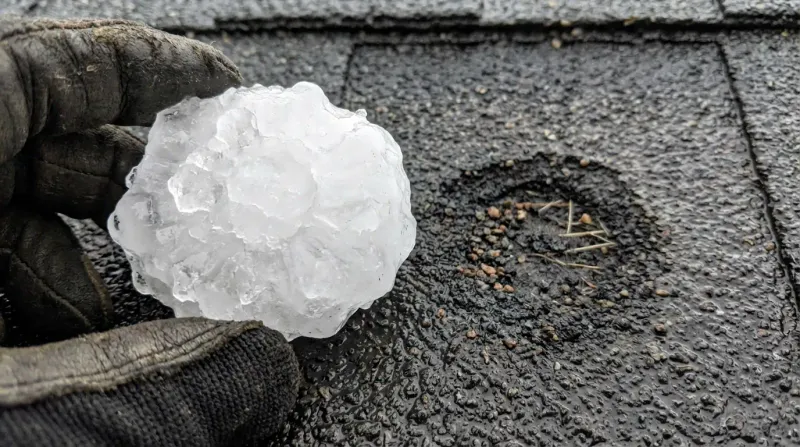
- The hail itself (with something for size comparison)
- All visible roof hail damage
- Damaged gutters, vents, and other roofing components
- Any interior damage from leaks
- Damaged personal property
Date-stamp your photos if possible, and keep a detailed record of the storm (time, duration, approximate hail size).
Make Temporary Repairs Only
To prevent further damage, you can make temporary repairs, but don’t start major work before the insurance adjuster’s visit.
- Cover leaks with tarps
- Remove fallen branches
- Move valuable items away from leaks
- Keep all receipts for emergency repairs
- Review your metal roof lifespan in case of warranties
Remember that knowing how to tell if your roof has hail damage is important, but avoid climbing onto the roof yourself. Instead, arrange for a professional roof inspection from a contractor who specializes in storm damage repair.
Contacting Your Insurer & Filing the Claim
The Communication Strategy
When contacting your insurance company, choose your words carefully. This conversation initiates your claim and sets its trajectory.
- Report the damage promptly (most policies have time limits)
- Stick to facts about the storm and visible damage
- Don’t speculate about repair costs or total damage
- Request a copy of your policy if you don’t have one
- Take notes during all conversations (date, time, who you spoke with)
Does insurance cover hail damage to the roof? Yes, most homeowners’ policies do, but coverage details vary. Request a clear explanation of your coverage, deductible, and claim process during this initial contact.
What Not to Say
Avoid statements that might compromise your claim:
- “The damage doesn’t look that bad.”
- “Our roof was already having some issues.”
- “We’ll probably just do the repairs ourselves.”
If you’re wondering about specialized roofing materials, now is a good time to ask whether a homeowner’s insurance discount for metal roof installation is available through your policy, as many insurers offer incentives for more durable materials.
The Adjuster Visit: Preparation & Negotiation
The insurance adjuster’s evaluation is perhaps the most critical part of your claim process.
Why You Need Your Own Expert
Having your roofing contractor present during the adjuster’s visit can significantly impact your claim outcome. A qualified roofer can:
- Point out damage the adjuster might miss
- Explain what hail damage looks like on shingles to ensure proper identification
- Provide professional documentation of all damage
- Counter lowball estimates on the spot
Many homeowners face situations where the insurance estimate is lower than the contractor’s assessment, creating a conflict. Having your contractor present during the inspection helps prevent this disparity.
Preparing for the Visit
Before the adjuster arrives:
- Review your documentation and have copies ready
- Clear access to your roof and attic
- List all areas of concern, including moss on the roof
- Understand the difference between hail damage and granule loss, as adjusters sometimes confuse these
- Ask your contractor to mark damaged areas with chalk for visibility
Remember that if an insurance adjuster says no to hail damage, it doesn’t mean you’re out of options. This is when having your own professional documentation becomes invaluable.
Understanding the Payout
Insurance settlements for roof damage can be confusing. Understanding the terminology and process helps ensure you receive fair compensation.
ACV vs. RCV: Know the Difference
- Actual Cash Value (ACV): The depreciated value of your roof
- Replacement Cost Value (RCV): The full cost to replace your roof
Most policies offer RCV coverage, which typically involves a two-part payment process:
- Initial payment: ACV minus your deductible
- Insurance depreciation check: Paid after repairs are completed
The Deductible Question
One common question is, “ Do I pay my deductible to my contractor?” Typically, you’re responsible for paying the deductible amount directly to your contractor as part of your out-of-pocket expenses. Be wary of contractors offering to “waive” deductibles, as this is often illegal.
Timeline Expectations
The roof insurance claim process timeline varies, but generally follows these stages:
- Initial claim filing (1-2 days)
- Adjuster inspection (3-10 days)
- Claim approval/denial (1-2 weeks)
- Initial payment (1-3 weeks after approval)
- Completion of work
- Final payment (2-4 weeks after submitting completion paperwork)
Will insurance pay for hail damage to a metal roof? Generally, yes, though the assessment process might differ slightly from shingle roofs. The durability of metal roofs may also affect how insurance companies process your hail damage roof insurance claim.
What to Do If the Claim Is Denied or Undervalued
Claim denials happen, but they’re not the end of the road. If you’re facing a denial or an insufficient offer, take these steps.
Appeal the Decision
What to do if insurance denies the roof claim?
- Request the denial in writing with specific reasons
- Submit a formal appeal with additional documentation
- Include your contractor’s assessment and photos
- Reference particular policy language that supports your claim
Get a Second Opinion
If the insurance company claims there’s no damage, invest in an independent inspection. Professional documentation from a certified inspector on how to identify hail damage on a roof can overturn a denial. Getting a second opinion is especially important when there’s roof hail damage that might not be immediately visible to untrained eyes.
Understand Industry Trends
While fighting for your claim, it helps to understand market conditions. Industry experts generally predict continued materials cost increases due to demand and inflation, making prompt claim resolution even more important.
Special Circumstances: HOA Properties
For those in managed communities wondering, “ Does HOA cover roof replacement?” after hail damage, the answer varies by association. Generally:
- Individual homeowners are responsible for their unit’s roof in townhome communities
- Condominium associations typically cover exterior elements, including roofing
- Review your HOA covenants to understand responsibility boundaries
Navigate Your Claims with The Experts
Navigating a hail-damaged roof and insurance claim process doesn’t have to be overwhelming. With proper documentation, professional support, and understanding of your policy, you can maximize your payout and restore your home properly.
If you’re dealing with an insurance estimate lower than contractor quotes or need help determining what hail damage looks like on shingles, our team at Brandon J Roofing can help. We assist you every step of the way to ensure you get the roof care and compensation you deserve. Ready to get started?