Roofing Felt Comparison: Choosing Between 15 lb and 30 lb Underlayment
When planning a roof installation or replacement, the materials beneath your shingles are just as important as the shingles themselves. Many homeowners focus exclusively on shingle selection while overlooking the critical role of underlayment. The debate between 15 vs. 30 roofing felt often causes confusion, leading to potentially costly mistakes and compromised roof integrity. But that ends today!
This comprehensive guide will walk you through everything you need to know about roofing felt options. We’ll explore the differences between 15-pound and 30-pound felt, their ideal applications, and how to make the right choice for your specific roofing project. Whether you’re tackling a DIY roof or working with a professional contractor, understanding these fundamentals will help ensure your roof performs optimally for years to come.
What Is Roofing Felt and Why It Matters
Defining Roofing Underlayment
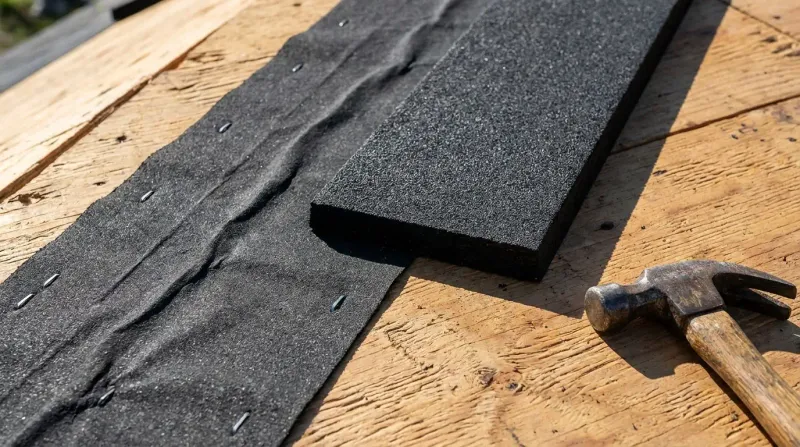
What is roofing felt exactly? Also known as tar paper or felt paper, roofing felt is an asphalt-saturated material installed between your roof deck and shingles. It serves as a secondary water barrier, protecting your home from moisture intrusion if shingles become damaged or compromised. Traditional roofing felt has been used for over a century and remains a popular choice despite newer synthetic options.
The underlayment plays several crucial roles in your roofing system:
- Creates a moisture barrier for your roof deck
- Provides temporary weather protection during installation
- Helps prevent wind-driven rain from reaching wooden structures
- Creates a separation layer between the shingles and wood decking
- Helps accommodate minor deck imperfections
What is roofing felt composition? Traditional felt consists of a base mat (historically made of natural materials, such as rags or paper, now typically fiberglass or polyester) saturated with asphalt for water resistance.
Material Composition and Weight: 15 lb vs 30 lb Felt
Understanding Weight Designations
The numerical designation (15 or 30) originally referred to the actual weight of the material per 100 square feet (1 square). However, modern manufacturing has changed, and these numbers now represent approximate thickness and relative density rather than exact weights.
Today’s 15-pound felt typically weighs about 8-12 pounds per square foot, while 30-pound felt weighs approximately 16-20 pounds per square foot. Despite these changes, the traditional nomenclature remains standard in the industry.
The difference between 15 and 30 roof felt is primarily in thickness and durability:
| Feature | 15-pound Felt | 30-pound Felt |
| Thickness | Approximately 15 mils | Approximately 30 mils |
| Asphalt content | Lower | Higher |
| Base material | Similar composition | Similar composition |
| Stiffness | More flexible | More rigid |
The difference between 15 and 30 roof felt becomes most apparent when handling the materials – 30-pound felt is noticeably thicker, heavier, and more substantial.
Durability and Performance Differences
Weather Resistance and Longevity
When comparing durability metrics, 30-pound felt offers several advantages:
- Tear resistance: 30-pound felt has approximately twice the tear resistance of 15-pound felt, making it less likely to be damaged during installation or in high winds
- Water resistance: The additional asphalt saturation in 30-pound felt provides enhanced water resistance
- UV stability: Heavier felt withstands sun exposure longer before degrading
- Wrinkle resistance: 30-pound felt lies flatter and resists wrinkling better during installation
For temporary roof protection during installation, 30-pound felt can typically withstand weather exposure for 30-60 days compared to 15-30 days for 15-pound felt. This makes the heavier option particularly valuable during longer installation projects or in regions with unpredictable weather.
Cost Considerations: Price vs Value
Analyzing the Price Difference
The cost difference between these materials extends beyond just the purchase price:
- Material cost: 30-pound felt typically costs 40-60% more per roll than 15-pound felt
- Coverage: 15-pound felt typically covers 4 squares (400 sq. ft.) while 30-pound felt covers 2 squares (200 sq. ft.)
- Installation labor: 30-pound felt is heavier and slightly more challenging to handle, potentially adding minor labor costs
- Long-term value: The enhanced durability of 30-pound felt can translate to better roof protection and potentially extended roof life
When calculating total project costs, the price difference between using 15-pound versus 30-pound felt on an average home (30-35 squares) typically amounts to $150-300 – a relatively small percentage of the overall roof replacement budget.
Installation Best Practices and Considerations
Handling and Application Techniques
The installation process varies slightly between the two materials:
15-pound Felt Installation:
- Lighter and easier to handle
- More prone to tearing during installation
- May wrinkle more easily, requiring careful laying
- Typically requires more fasteners to keep flat
- Easier to work with on complex roof configurations
30-pound Felt Installation:
- Heavier and more challenging to carry and position
- More resistant to tearing during installation
- Lays flatter with fewer wrinkles
- Can typically use fewer fasteners
- More difficult to form around complex roof features
In both cases, proper installation requires:
- Minimum 4-inch horizontal overlaps
- 6-inch vertical end laps
- Adequate fastening schedule (follow manufacturer recommendations)
- Proper integration with flashing, ice and water barrier
When installing roof shingles, contractors must carefully consider weather conditions as felt can absorb moisture and degrade if left exposed to rain.
Code Requirements and Manufacturer Specifications
Understanding Regulatory Requirements
Building codes and manufacturer warranties often dictate underlayment requirements:
- Most building codes accept either weight for standard applications
- Steeper slopes (over 4:12) can typically use either weight
- Lower slopes (2:12 to 4:12) often require 30-pound felt or double layers of 15-pound felt
- Some premium shingle warranties specify minimum underlayment requirements
- High-wind zones may have enhanced underlayment requirements
Always check your local building codes and shingle manufacturer specifications before making a final decision. Some jurisdictions have specific requirements, particularly in hurricane-prone regions or areas with severe weather conditions.
When to Choose 15 lb vs 30 lb Roofing Felt
Making the Right Selection for Your Project
Best applications for 15-pound felt:
- Budget-conscious projects
- Steeper slopes (4:12 and above)
- Shorter installation timelines with favorable weather
- Regions with moderate climate conditions
- When using a premium ice and water barrier in vulnerable areas
Best applications for 30-pound felt:
- Low-slope roofs (2:12 to 4:12)
- Extended installation timelines
- Regions with severe weather conditions
- High-wind or hurricane-prone areas
- Premium roofing systems
- When maximum protection is desired
The decision ultimately comes down to balancing cost, protection level, and specific project requirements. For most quality-focused roofing projects, the additional cost of 30-pound felt is often justified by the enhanced protection it provides. Understanding the debate between 15 and 30 roofing felt is crucial for making an informed decision tailored to your specific needs.
Alternative Options: Synthetic Underlayments and Ice Barriers
Modern Alternatives to Traditional Felt
Synthetic roof paper products have gained significant market share due to their:
- Superior tear resistance
- Lighter weight (easier installation)
- Enhanced water resistance
- Better UV stability (longer exposure times)
- Consistent quality (fewer manufacturing variations)
Synthetic roof paper typically costs more than traditional felt but offers performance benefits that can justify the additional expense, especially in demanding applications.
For vulnerable roof areas, an ice barrier for roof edges is essential in cold climates. These products, also called ice and water shields, provide enhanced protection against:
- Ice dam formation
- Wind-driven rain
- Water backup under shingles
- Leaks around penetrations
An ice barrier for roof eaves should extend at least 24 inches inside the exterior wall line and is typically used in valleys, around chimneys, skylights, and other vulnerable areas in addition to eaves.
The specialized Weatherlock G and similar products provide superior protection in these critical areas compared to standard felt underlayments.
Brandon J Roofing: Expert Roofers You Can Count On
Selecting the right underlayment is a crucial decision that impacts your roof’s performance and longevity. While 15-pound felt offers adequate protection for many applications, 30-pound felt provides enhanced durability and peace of mind. Understanding the roofing underlayment types and what is underlayment on a roof helps you make informed decisions for your specific situation.
At Brandon J Roofing, we help homeowners make informed decisions about these important material choices every day. Our experienced team can assess your specific roofing needs and recommend the most suitable underlayment solution, taking into account your home’s architecture, local climate conditions, and budget considerations. Don’t compromise on the hidden components that keep your home protected. When it’s time for your next roofing project, trust the experts who understand that quality begins beneath the surface.