Underlayment for Metal Roofs: Best Types, Thickness, and Installation Tips
Metal roofs are tough, long-lasting, and stylish. But here’s the thing many people miss: the metal panels are only half the story. What sits underneath those panels plays a huge role in how well your roof performs. A poor choice here can lead to leaks, condensation problems, and a shorter roof life, no matter how good the metal panels are.
If you’re getting ready to put on a new metal roof, picking the right underlayment for metal roof systems matters more than you might think. In this blog, you’ll learn about the main types of underlayment, the right thickness for each, and smart installation tips. By the end, you’ll know exactly what to ask for and what to avoid. Keep reading to make a smart, lasting choice.
What Is Roof Underlayment and Why Does It Matter?
Underlayment is the protective layer that goes between your roof deck (usually plywood) and your metal panels. It acts as a second line of defense against water, wind, and heat.
Here’s why it’s so important:
- Moisture barrier: Stops rain or melting snow from reaching the wood deck.
- Condensation control: Metal can sweat from temperature swings. Underlayment soaks up or blocks that moisture.
- Heat protection: Some types reflect heat, helping keep your attic cooler.
- Sound dampening: Cuts down on rain noise on the metal above.
Skipping or skimping on this layer can cost you thousands in repairs later. That’s why picking the best underlayment for metal roofing is a step you don’t want to rush.
Main Types of Underlayment for Metal Roofs
There are three main metal roof underlayment types to choose from. Each has its strengths, and the right one depends on your climate, budget, and roof pitch.
1. Felt Underlayment (Asphalt-Saturated Felt)
This is the classic choice. Felt comes in two weights: 15-pound and 30-pound. It’s made of an organic or fiberglass mat soaked in asphalt.
Pros:
- Low cost
- Easy to find
- Familiar to most contractors
Cons:
- Heavier and harder to handle
- Can tear when walked on
- Shorter lifespan (around 12–20 years)
- Holds moisture if it gets wet during installation
A felt under a metal roof still works fine for many projects, especially on a tight budget. But it’s not the top pick for high-heat areas, since metal roofs can get very hot and break down felt faster.
2. Synthetic Underlayment
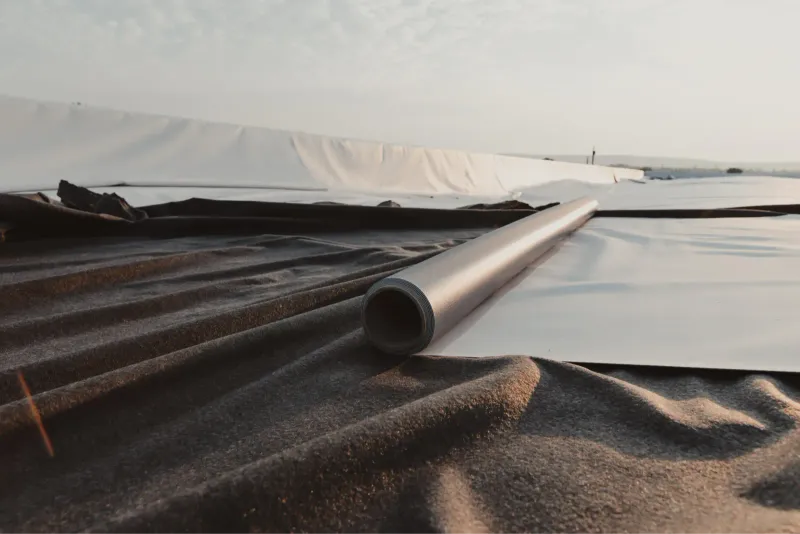
Synthetic underlayment is made from woven polypropylene or polyethylene. It’s the modern choice and is quickly becoming the standard for metal roofs.
Pros:
- Lightweight and easy to roll out
- Resists tears and UV rays
- Lasts 25+ years
- Doesn’t absorb water
- Safer to walk on
Cons:
- Higher upfront cost than felt
A good synthetic underlayment for a metal roof setup provides better protection and a longer lifespan. For most homes today, this is the smart pick.
3. Self-Adhering Membrane (Peel-and-Stick)
This type sticks right to the deck and seals around nails and screws. It’s often used in areas that receive the most water, like valleys and eaves, but it can also cover the entire roof.
Pros:
- Best waterproofing
- Seals around fasteners
- Great for low-slope roofs and ice-prone areas
Cons:
- Most expensive
- Harder to install
- Needs careful handling in hot weather
Want to learn more about this option? Check out our guide on peel-and-stick underlayment for a deeper look.
How to Pick the Right Thickness
Thickness affects both protection and price. Here’s a quick guide:
| Underlayment Type | Common Thickness/Weight | Best Use |
| Felt (15 lb) | About 0.4 mm | Budget jobs, mild climates |
| Felt (30 lb) | About 0.7 mm | Steeper slopes, better durability |
| Synthetic | 20–40 mil | Most metal roof projects |
| Peel-and-stick | 40–60 mil | High-leak risk areas, low-slope roofs |
For most metal roofs, a synthetic option in the 25–30 mil range hits the sweet spot. If you live somewhere with heavy snow or hurricane rains, go with a thicker material or use peel-and-stick in problem areas.
Climate and Roof Pitch: Why They Change Your Choice
Not every roof needs the same setup. Here’s how your environment shapes your decision:
Hot Climates
Metal roofs trap a lot of heat. Felt can dry out and crack here. Go with a high-temp synthetic or peel-and-stick rated for heat above 240°F.
Cold and Snowy Areas
Ice dams are a real problem. Use peel-and-stick along the eaves at least 3 feet up from the wall line. The rest can be synthetic.
Rainy, Coastal Regions
Water-tight coverage is a must. Pair synthetic with peel-and-stick in valleys and around penetrations.
Low-Slope Roofs
Anything under a 3:12 pitch needs peel-and-stick across the whole deck. Water moves more slowly on low slopes, so it has more time to seep in. Pairing the right underlayment with high-quality metal roof insulation also helps reduce energy use and improve year-round comfort.
Installation Tips That Make a Big Difference
Even the best underlayment for metal roofing can fail if it’s installed incorrectly. Here are tips that pros follow.
Prep the Deck First
- Check the deck for rot or loose boards.
- Sweep off dirt, nails, and old debris.
- Make sure the surface is dry.
Roll It Out the Right Way
- Start at the bottom edge and work up.
- Overlap each row by at least 4 inches (check the maker’s guide)
- Overlap end seams by 6 inches.
- Keep the rolls straight to avoid wrinkles.
Fasten It Properly
- Use cap nails or plastic-cap staples, not regular staples.
- Space fasteners every 6–12 inches along the edges
- Don’t overdrive nails; they should sit flat.
Pay Attention to Details
- Run underlayment up walls and around chimneys.
- Use peel-and-stick in valleys, even if the main roof uses synthetic.
- Don’t leave the underlayment exposed too long. Most synthetics handle 90–180 days of sun, but cover with metal panels as soon as possible.
Want a fuller walkthrough? See our post on metal roofing installation for step-by-step guidance.
Common Mistakes to Avoid
Even seasoned crews slip up. Here are mistakes that lead to callbacks and leaks:
- Using the wrong fasteners – Regular staples pull through and let water in.
- Skipping overlaps – Tight overlaps stop water from sneaking under seams.
- Walking on wet underlayment – It gets slick and can tear, especially felt.
- Mixing materials poorly – Some adhesives don’t bond well with certain synthetics. Always check compatibility.
- Leaving it exposed too long – UV breaks down most underlayments over time.
Picking the right underlayment for metal roof projects is only half the job. Installing it right is the other half.
How Long Should Underlayment Last?
Lifespan depends on the type:
- 15-lb felt: 10–15 years
- 30-lb felt: 15–20 years
- Synthetic: 25–50 years
- Peel-and-stick: 30–50 years
Metal panels often last 40–70 years. So, matching a long-lasting synthetic or peel-and-stick to your metal panels just makes sense. You don’t want to redo the underlayment halfway through the roof’s life. Among the metal roof underlayment types available today, synthetic offers the best balance of price, longevity, and ease of use for most homes.
Metal Roofers You Can Count On
At Brandon J Roofing, we know that a great metal roof starts with what’s underneath. Our team works with homeowners and builders across the area to select the right underlayment, install it correctly, and back every project with honest service. We bring years of hands-on roofing know-how, top-grade materials, and a sharp eye for detail to every job. Whether you’re building a new roof or replacing an old one, we’ll guide you through every step.
Roofing is a big investment, and you deserve a team that treats your home like their own. From the first walkthrough to the final inspection, we keep things clear, fair, and focused on what’s best for you. Let’s build a roof that lasts.