Roof Wind Ratings Explained: How Shingle Class Affects Storm Survival
When storms roll through your area, your roof becomes the first line of defense for your home. But not every shingle handles wind the same way. Some can withstand 130 mph gusts, while others may start lifting at much lower speeds. Knowing the difference can save you thousands in repair costs and give you peace of mind during severe weather.
This blog will walk you through everything you need to know about roof wind ratings, how shingle classes work, and what to look for when picking the right product for your home. You’ll also learn about wind-resistant shingle classifications, installation tips for storm-prone areas, and how to tell if your current roof can handle the next big storm. Keep reading to find out how to protect your biggest investment.
What Are Roof Wind Ratings?
Roof wind ratings measure how well shingles hold up against strong winds. Manufacturers test their products in labs and assign a class based on the wind speed at which the shingles can withstand damage. These ratings help you compare products and pick the best option for your area.
Two main testing standards apply here:
- ASTM D7158 – The most common test for asphalt shingles. It uses uplift forces to simulate real wind conditions.
- ASTM D3161 – An older test that uses a wind tunnel to blow air directly at shingles.
Both tests give shingles a letter grade. The higher the letter, the better the wind performance. If you live in a storm-prone area, these ratings should be a top priority when picking a new roof.
Breaking Down the Shingle Wind Resistance Ratings
The letter classes can feel confusing at first, but they follow a simple pattern. Here’s a quick look at the shingle wind resistance ratings under ASTM D7158:
| Class | Wind Speed Rating |
| Class A | Up to 60 mph |
| Class D | Up to 90 mph |
| Class G | Up to 120 mph |
| Class H | Up to 150 mph |
Under ASTM D3161, the ratings look a little different:
| Class | Wind Speed Rating |
| Class A | Up to 60 mph |
| Class D | Up to 90 mph |
| Class F | Up to 110 mph |
When you shop for shingles, you’ll often see both ratings listed on the packaging. Pay close attention to which test was used, since the numbers don’t always match across standards. Understanding these shingle wind resistance ratings is the first step toward making an informed roofing decision.
Why Class Matters
The class tells you the maximum wind speed the shingle can take before failing. A higher class means better protection, but it also usually means a higher price. Still, the extra cost often pays off if you live somewhere that sees regular storms or hurricane activity.
Class F Shingles: A Strong Mid-Range Choice
Class F shingles are rated to handle wind speeds up to 110 mph. That makes them a solid pick for many homes in storm-prone areas. They offer great protection without jumping all the way up to the top-tier price point.
Here’s what makes them stand out:
- Strong adhesive strips that bond tightly during installation
- Improved nail patterns designed for better hold
- Reinforced edges that resist lifting and tearing
For homeowners who get the occasional severe storm but don’t sit right on the coast, Class F shingles often hit the sweet spot between cost and performance. They give you serious protection without the premium price tag of the highest-rated options.
Class D Wind-Rated Shingles: When Are They Enough?
Class D wind-rated shingles are tested to withstand winds up to 90 mph. That sounds like a lot, but in many regions, even routine thunderstorms can produce gusts close to that limit. So, when should you pick this class?
These shingles work well in:
- Areas with mild weather and few major storms
- Inland regions far from coastal hurricane zones
- Homes with extra wind protection, like trees or surrounding buildings
If you live in tornado alley, along the Gulf Coast, or anywhere that sees frequent severe weather, Class D wind-rated shingles may not give you enough protection. In those cases, stepping up to Class F or higher is the smarter move.
Don’t Forget About Installation
Even the best shingle can fail if it’s not installed right. Proper shingle nailing for high wind areas plays a huge role in how well your roof performs during a storm. Skipping nails, using the wrong placement, or rushing the job can cut your roof’s effective wind rating in half.
High Wind Roofing Requirements You Should Know
If you live in a designated high-wind zone, building codes set strict rules for your roof. High wind roofing requirements cover everything from shingle class to nail count and underlayment type. These rules exist because standard installation methods just won’t cut it when 100+ mph winds hit.
Common high wind roofing requirements include:
- Six nails per shingle instead of the standard four
- Enhanced starter strips along eaves and rakes
- Sealed underlayment that blocks wind-driven rain
- Reinforced flashing at all roof penetrations
- Class F or H-rated shingles for top-tier performance
Local codes vary, so check with your contractor or building department before starting any roof project. Skipping these steps can void your warranty and leave you without insurance coverage when you need it most.
Impact Resistance Matters Too
Wind isn’t the only threat during a storm. Hail and flying debris can damage shingles just as badly. That’s why many homeowners pair their wind-rated shingles with Class 4 shingles for full storm protection. These impact-resistant options often qualify for insurance discounts in hail-prone areas.
How to Pick the Right Shingle for Your Home
Choosing the right shingle comes down to a few key questions. Ask yourself:
- What’s the typical wind speed in my area? Check local weather records or talk to a roofer who knows the region.
- How exposed is my home? Homes on hilltops or open lots face stronger winds than those surrounded by trees.
- What does my insurance require? Some policies offer discounts for higher-rated shingles, while others require them.
- What’s my budget? Higher-rated shingles cost more upfront but save money on repairs and replacements in the long term.
Match the Shingle to the Climate
Here’s a simple guide to help you pick based on roof wind ratings:
- Mild climates: Class A or D shingles usually work fine
- Moderate storm zones: Class F or G offer good protection
- Severe weather areas: Class H gives you the best defense
Don’t forget that even top-rated shingles need regular storm-damage inspections to ensure they’re still doing their job. Small issues can grow fast if left alone.
Signs Your Current Roof May Not Be Storm-Ready
Not sure if your existing roof can handle the next big storm? Watch for these warning signs:
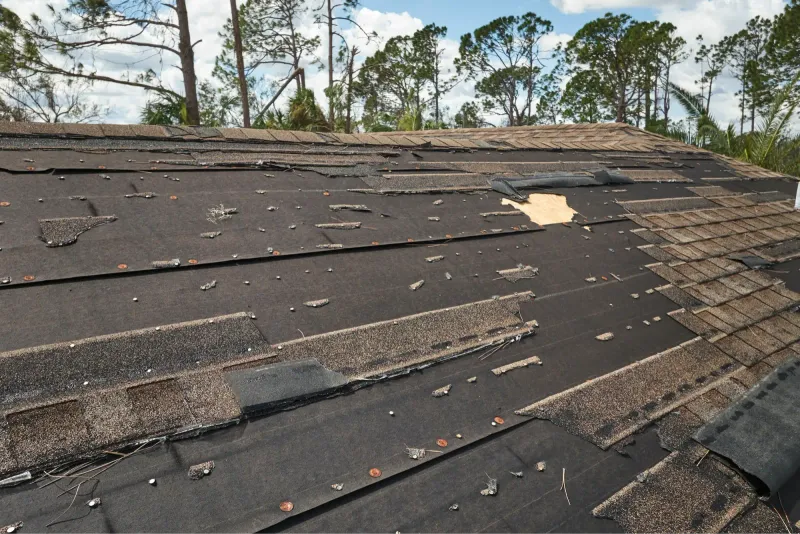
- Curled or lifted shingle edges that catch the wind easily
- Missing shingles after recent storms
- Visible nail heads showing through shingle surfaces
- Granule loss that weakens the shingle over time
- Dark streaks or bald spots that signal aging materials
If you spot any of these issues, it’s time to get a professional inspection. A trained roofer can tell you whether your roof needs repairs, a full replacement, or an upgrade to higher-rated materials.
Maintenance Tips for Better Wind Performance
Keep your roof in top shape with these simple habits:
- Inspect twice a year, in spring and fall
- Clear debris from gutters and valleys
- Trim overhanging branches that could fall during storms
- Replace damaged shingles right away to prevent wind from catching the edges
- Check flashing and seals around chimneys and vents
Following local high-wind roofing requirements and a little maintenance goes a long way toward helping your shingles reach their full-rated wind performance.
Trust Brandon J Roofing for Storm-Ready Protection
At Brandon J Roofing, we know your home deserves a roof built to handle whatever the weather throws at it. Our team specializes in high-performance roofing solutions that meet or exceed local wind codes, so you can rest easy when storms roll in. From product selection to expert installation, we guide you through every step with honesty, skill, and a commitment to quality you can count on.
What sets us apart is our focus on your needs. We take the time to understand your home, your budget, and your concerns before making any recommendations. Whether you need a quick repair or a full storm-ready upgrade, we deliver work that stands the test of time. Don’t wait for the next storm to find out if your roof is ready.