Vapor Barriers in Roofing: When You Need One and How to Install It Correctly
Moisture is one of the biggest threats to any roof. It sneaks into hidden spaces, builds up over time, and slowly damages wood, insulation, and drywall. Many homeowners don’t even realize they have a moisture problem until they spot stains on the ceiling or smell a musty odor in the attic. By then, the damage is usually done, and the repair bill can be steep.
That’s where a roof vapor barrier comes in. This thin but mighty layer helps stop water vapor from reaching parts of your roof where it can cause trouble. In this blog, you’ll learn what a vapor barrier does, when you really need one, how it’s installed, and the common mistakes to avoid. Keep reading to find out how this small detail can save you from big roofing headaches down the road.
What Is a Roof Vapor Barrier?
A vapor barrier is a material that blocks water vapor from passing through walls, ceilings, or roof decks. It’s usually made of plastic sheeting, foil, or special coated paper. The goal is simple: keep warm, moist air from meeting cold surfaces where it can turn into condensation.
In roofing, a vapor barrier for roof assemblies sits between the warm interior of your home and the colder roof structure above. Without it, moisture from cooking, showering, and even breathing can rise into the attic, causing mold, rot, and ruined insulation.
Vapor Barrier vs. Vapor Retarder
These two terms get mixed up a lot, but they’re not the same.
- Vapor barrier: Blocks nearly all moisture (very low permeability)
- Vapor retarder: Slows down moisture but lets some pass through
A roofing vapor retarder is often the better pick in mixed climates because it lets the roof “breathe” while still controlling moisture. A true vapor barrier works best in very cold or very humid regions.
When Do You Need a Vapor Barrier?
Not every roof needs one. The answer depends on your climate, roof type, and attic construction. Here’s a quick breakdown.
Climate Matters Most
| Climate Zone | Vapor Barrier Needed? |
| Cold (Zones 6-8) | Yes, on the warm side |
| Mixed (Zones 4-5) | Vapor retarder recommended |
| Hot/Humid (Zones 1-3) | Usually not, or on the exterior side |
| Hot/Dry | Often not required |
Other Times You’ll Want One
- Flat or low-slope roofs with limited ventilation
- Cathedral ceilings with no attic space
- Homes with high indoor humidity (pools, lots of plants, large families)
- Metal roofing systems are prone to condensation
- Unvented attic assemblies (spray foam roofs)
Do I Need a Vapor Barrier Under Shingles?
This is one of the most common questions roofers hear. The short answer: probably not directly under your shingles. Many homeowners ask, “Do I need a vapor barrier under shingles?” thinking it’ll add extra protection. But putting a true vapor barrier right under shingles can actually trap moisture in your roof deck and cause it to rot from the inside out.
What you do need under shingles is proper roof underlayment that sheds water while still allowing the deck to dry out. The vapor barrier, when needed, should be placed lower in the assembly, closer to your living space.
How to Install a Roof Vapor Barrier Correctly
Installation is where most problems start. Even the best materials won’t help if they’re put in the wrong place. Here’s how to get it right.
Step 1: Pick the Right Material
Common options include:
- Polyethylene sheeting (6-mil): Affordable and effective for cold climates
- Foil-faced kraft paper: Often attached to fiberglass insulation
- Reinforced membranes: Tougher and better for commercial or flat roofs
- Smart vapor retarders: Change permeability based on humidity
Step 2: Place It on the Warm Side
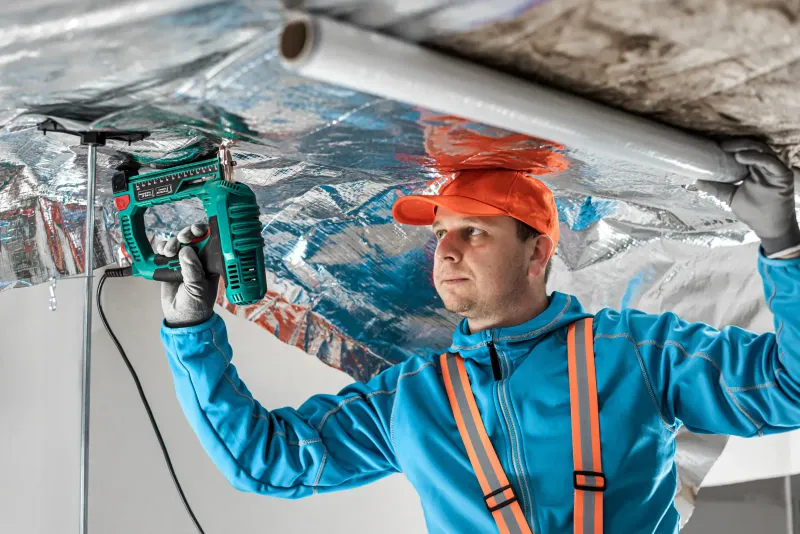
In cold climates, the attic vapor barrier goes on the warm side in winter, which means just below the insulation, right above the drywall ceiling. Placing it on the wrong side traps moisture rather than blocking it.
Step 3: Seal Every Seam
Overlap seams by at least 6 inches and tape them with compatible sealing tape. Any gap, tear, or unsealed edge becomes a path for moisture. Don’t forget to seal around:
- Light fixtures
- Vent pipes
- Electrical boxes
- Attic hatches
- Wall-to-ceiling joints
Step 4: Pair It With Good Ventilation
A vapor barrier alone isn’t enough. You also need solid roof insulation and ventilation so any moisture that does get through has a way to escape. Soffit vents, ridge vents, and proper airflow keep the system balanced.
Common Mistakes to Avoid
A poorly installed roof vapor barrier can do more harm than no barrier at all. Here are the slip-ups to watch for.
Double Vapor Barriers
Never sandwich insulation between two vapor barriers. Moisture will get stuck in the middle and destroy the insulation. Pick one side, the warm side, and stick with it.
Skipping Air Sealing
A vapor barrier blocks vapor, but it doesn’t always block air. And air carries way more moisture than vapor diffusion. Combine your barrier with caulk, spray foam, and weatherstripping for full protection.
Wrong Side Installation
In hot, humid climates, the warm side is the outside. In cold climates, it’s the inside. Mixing this up is one of the biggest causes of moisture damage in attics.
Ignoring Attic Insulation Levels
Even the best attic vapor barrier won’t perform if your insulation is thin or uneven. Check your attic insulation levels and upgrade if needed before adding a barrier.
Signs Your Roof May Have a Moisture Problem
How do you know if your current setup isn’t working? Watch for these warning signs.
- Dark stains on ceilings or walls
- Peeling paint near the roofline
- Musty smells in upper rooms or the attic
- Frost on the underside of the roof deck in winter
- Wet or matted insulation
- Mold growth on rafters or sheathing
- Ice dams forming along the eaves
Catching these signs early can save thousands in repairs. If you spot any of them, get a roofing pro to check your attic and roof assembly as soon as possible.
Choosing the Right Vapor Retarder for Your Project
Different projects call for different solutions. A roofing vapor retarder isn’t one-size-fits-all. Here’s how to match the material to the job.
Residential Sloped Roofs
For most homes, a Class II vapor retarder (like kraft-faced insulation) works well. It controls moisture without sealing the assembly too tightly. A properly chosen retarder also gives your roof some flexibility to dry out if water ever sneaks in.
Flat or Low-Slope Roofs
These roofs trap heat and moisture more easily, so a stronger barrier is usually needed. Self-adhered membranes or torch-applied bitumen sheets are common picks.
Cathedral Ceilings
With no attic to vent into, these assemblies require careful design. A continuous vapor barrier paired with closed-cell spray foam often does the trick.
Metal Roofs
Condensation under metal panels is a known issue. A specialized vapor barrier for roof decks with metal panels, often combined with anti-condensation underlayment, helps prevent drips and rust.
Cost vs. Long-Term Value
Adding a vapor barrier costs more upfront, but it pays off over time. Here’s a rough idea of what you’re looking at:
| Item | Approximate Cost |
| 6-mil poly sheeting | $0.05–$0.10 per sq ft |
| Foil-faced barrier | $0.30–$0.60 per sq ft |
| Smart vapor retarder | $0.40–$0.80 per sq ft |
| Professional installation | $1–$3 per sq ft |
Compare that to the cost of replacing rotted decking ($3,000+), mold remediation ($2,000–$6,000), or a full roof replacement, and the math is pretty clear.
Trust the Pros at Brandon J Roofing
At Brandon J Roofing, we know that a healthy roof is more than just shingles on top of a house. It’s a full system that needs to manage water, air, heat, and moisture. Our team has years of experience building roof assemblies that last, and we treat every project as if it were our own home. From vapor barriers and underlayment to ventilation and insulation, we handle every layer with care and skill.
When you work with us, you get straight answers, fair pricing, and craftsmanship that holds up to whatever the weather throws at it. We listen to your concerns, walk you through your options, and make sure you understand the “why” behind every recommendation. Don’t let hidden moisture quietly ruin your roof. Reach out today, and let’s build something that’ll protect your home for decades.