Polycarbonate Roofing Panels: Pros, Cons, and Best Uses for Homes and Businesses
Thinking about adding a covered patio, a backyard pergola, or maybe a small greenhouse? You’ve probably run into a few headaches already. Standard roofing feels too heavy, glass costs a fortune, and basic plastic sheets look cheap and crack way too soon. It’s tough to find a roofing material that lets in light, withstands bad weather, and still fits your budget.
That’s where polycarbonate roofing panels come in. In this post, we’ll break down what these panels are, their pros and cons, and the best spots to use them. You’ll also learn how they stack up against glass and what to think about before you buy. Stick around to the end for tips that’ll save you time, money, and stress.
What Are Polycarbonate Roofing Panels?
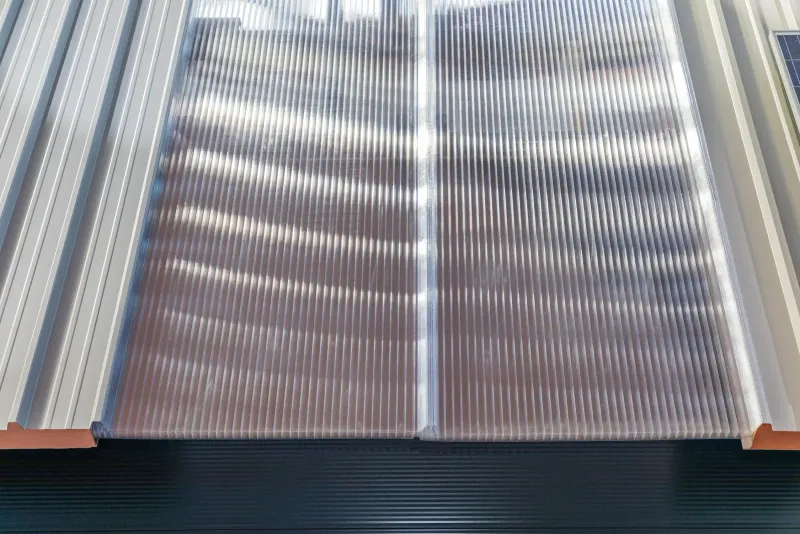
Polycarbonate is a tough, lightweight thermoplastic. Manufacturers shape it into flat sheets, multiwall panels, or wavy corrugated roofing profiles. The material is known for being nearly unbreakable while still letting light pass through.
You’ll often see these panels on greenhouses, carports, sunrooms, and pool covers. They come in clear, tinted, bronze, and opal shades, so you can control how much sun gets through.
Types of Polycarbonate Panels
Here are the main types you’ll find at most suppliers:
- Solid polycarbonate sheets – Look like glass but are much stronger.
- Multiwall polycarbonate – Hollow channels inside add insulation.
- Corrugated polycarbonate – Wavy profile for quick drainage and easy installation.
A corrugated polycarbonate roof is one of the most popular picks for patios and sheds. The shape sheds rain fast and adds extra strength along the ridges.
The Pros of Polycarbonate Roofing
There’s a reason these panels keep showing up in DIY projects and commercial builds alike. Let’s go through the main perks.
Strong and Impact-Resistant
Polycarbonate is about 200 times stronger than glass and 30 times stronger than acrylic. Hail, falling branches, and stray baseballs won’t crack it easily. That’s a huge win for anyone in storm-prone areas.
Lightweight and Easy to Install
These panels weigh about half as much as glass. That means lighter framing, faster work, and lower labor costs. Many homeowners can install a small patio cover over a weekend with basic tools.
Lets Light In
Clear roofing panels made from polycarbonate let up to 90% of natural light through. You get the bright, open feel of glass without the weight or cost. Tinted versions cut glare while still keeping things bright underneath.
Blocks Harmful UV Rays
Most quality panels have a UV-protective coating on one or both sides. This keeps the sun from yellowing the plastic and protects people, plants, and furniture below.
Affordable
Compared to glass or metal, polycarbonate costs less per square foot. You also save on framing and labor. For a backyard project, that’s a big plus.
The Cons You Should Know About
No material is perfect. Here are a few drawbacks to weigh before you buy.
Can Scratch Over Time
The surface isn’t as scratch-resistant as glass. Tree branches, cleaning brushes, or windblown debris can leave marks. A soft cloth and mild soap help keep it looking fresh.
Expands and Contracts
Polycarbonate moves with temperature swings. If installers don’t leave room for this movement, panels can warp or pop loose. That’s why good fasteners and proper hole spacing matter.
Not the Best for Sound
Rain hitting these panels can be loud. Some folks love that cozy patter, but if you’re putting it over a bedroom skylight or quiet office, you might want extra insulation.
Color Can Fade
Cheaper, non-coated panels may yellow within a few years, so always check the warranty and look for at least a 10-year guarantee on UV protection. If you’d like to compare other premium options, see our guide on roofing material types
Polycarbonate vs Glass Roofing: Which Wins?
This is one of the most common questions we get. The polycarbonate vs glass roofing debate really comes down to your priorities.
| Feature | Polycarbonate | Glass |
| Weight | Light | Heavy |
| Strength | Very high | Lower (can shatter) |
| Cost | Lower | Higher |
| Insulation | Good (multiwall) | Better with double pane |
| Lifespan | 10–20 years | 20+ years |
| Scratch resistance | Lower | Higher |
| Light transmission | Up to 90% | Up to 90% |
If you want long-term clarity and a high-end look, glass might be worth the extra cost. When weighing polycarbonate vs glass roofing, polycarbonate is the smarter pick if you need strength, safety, and a lower price.
Best Uses for Polycarbonate Panels
So where do these panels really shine? Here are the top use cases we see in homes and businesses.
Covered Patios and Decks
A patio cover made with polycarbonate roofing panels gives you shade without making the space feel dark. You can still enjoy sunlight while staying dry on rainy days.
Pergolas
Translucent roof panels work great on pergolas. They keep rain off your furniture but still let dappled light through. Bronze or opal tints work well if you want a softer, cooler shade.
Greenhouses
Plants love the even, diffused light that translucent roof panels provide. Multiwall panels also provide insulation, keeping your plants warm through cold nights.
Carports and RV Covers
Strong, lightweight, and quick to install. These panels protect cars and equipment from the sun, hail, and falling debris.
Commercial Walkways and Atriums
Shopping centers, schools, and office buildings often use polycarbonate for covered walkways. It looks clean, lets light in, and meets safety codes.
Pool Enclosures
The mix of UV protection and shatter resistance makes it a top choice around pools where safety matters most.
Installation Tips and Maintenance
Getting the install right is half the battle. Here are some quick pointers.
Plan for Expansion
Drill fastener holes slightly larger than the screws. This gives the panels room to move as temps change.
Use the Right Fasteners
Buy screws with rubber washers made for polycarbonate. They seal out water and stop cracks around the holes.
Slope It Right
Always slope the panels at least a 5-degree pitch. This helps water and debris slide off fast.
Clean Gently
Use mild soap, water, and a soft cloth. Skip abrasive scrubbers and harsh chemicals like ammonia. Rinse well to avoid streaks.
Inspect Yearly
Walk around your structure once a year. Look for loose screws, cracks near fasteners, and any cloudy spots. Catching small issues early saves big repair bills.
How Corrugated Compares to Other Profiles
The shape of your panel matters more than you might think. A corrugated polycarbonate roof has built-in ridges that boost strength and channel water off quickly. This makes it perfect for sloped patio covers and sheds. Flat or multiwall panels look sleeker and offer better insulation, but they cost more and need more careful installation. Here’s a quick breakdown:
- Corrugated: Best for sheds, patios, and carports. Budget-friendly.
- Multiwall: Best for greenhouses, sunrooms. Better insulation.
- Solid sheets: Best for skylights, atriums. Glass-like look.
If you’re using clear roofing panels for a skylight-style area, expect to pay a bit more for the premium finish, but the glass-like appeal is hard to beat.
Cost Breakdown
Pricing changes based on thickness, brand, and profile. Here’s a rough guide for materials only:
- Corrugated panels: $2–$4 per square foot
- Multiwall panels: $3–$7 per square foot
- Solid panels: $5–$10 per square foot
Add labor, framing, and fasteners, and a small patio cover usually runs between $1,500 and $5,000 installed. Bigger commercial jobs scale up from there.
Wrapping It Up with The Best Roofing Panels
Polycarbonate roofing panels offer a smart mix of strength, light, and value. They’re a great fit for patios, pergolas, greenhouses, and many commercial spaces. They have a few quirks, like scratching and thermal movement, but with the right install, they’ll serve you well for years.
At Brandon J Roofing, we’ve spent years helping homeowners and business owners pick the right roofing materials for their projects. Our team knows the ins and outs of every panel type, profile, and installation method. We focus on quality work, honest pricing, and clear communication from day one. Whether you’re planning a backyard pergola or a full commercial walkway, we’ll guide you through every step.