Hail Damage: A Guide to Identifying Signs, Filing Claims, and Repair Options
Hail storms can wreak havoc on properties, with roofs often bearing the brunt of the damage. The aftermath of a severe storm leaves many dealing with compromised roofing systems that may not show obvious signs of damage immediately, but can lead to leaks, structural issues, and decreased home value over time. Identifying and addressing a hail-damaged roof promptly is crucial to prevent these escalating problems.
This comprehensive guide walks you through recognizing the telltale signs of storm impact, navigating the often complex insurance claims process, and understanding your repair options. Armed with this knowledge, you’ll be better equipped to protect your property investment and ensure your roof continues to provide the protection your home needs. Let’s take a look!
Identifying Signs of Hail Impact on Your Roof
After a severe storm, your roof may have sustained damage that isn’t immediately visible from the ground. Understanding what roof storm damage looks like is essential for timely intervention. Hail impacts can compromise your roofing materials and lead to more significant problems if left unaddressed.
Obvious Visual Indicators
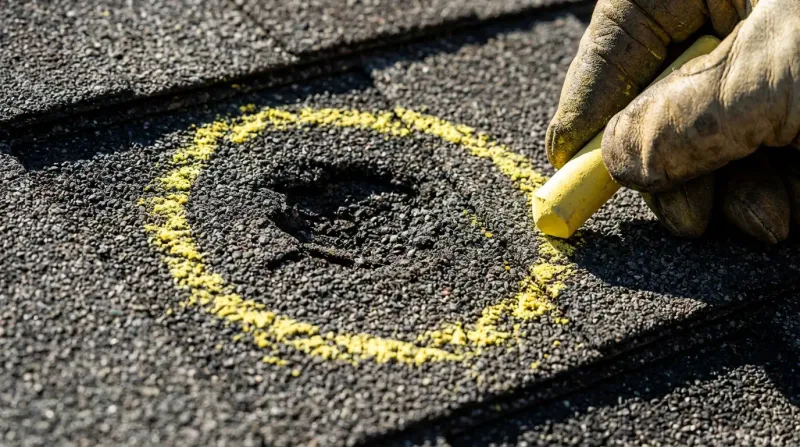
- Dents or dark spots on shingles
- Granule loss in gutters or downspouts
- Damaged or dented roof vents, flashing, or metal components
- Cracked or missing shingles
- Soft spots when walking on the roof
Subtle Signs That Shouldn’t Be Overlooked
Even minor roof damage from storms can escalate into major issues. Look for:
- Small dimples in shingles that catch sunlight at certain angles
- Exposed fiberglass mat where granules have been knocked off
- Cracks around the edges of shingles
- Damaged seals between shingles that may allow water penetration
Safety should be your priority when examining your roof. If you’re uncomfortable climbing onto your roof, professional roofers offer free inspections to identify signs of storm damage to your roof.
Documenting Damage for Insurance Claims
Before filing an insurance claim, proper documentation is crucial. Insurance companies require evidence of wind-damaged roof conditions or hail impacts before approving claims.
Creating a Comprehensive Damage Record
- Take dated photographs of all visible damage
- Document the size of hail (using coins or rulers for scale)
- Save weather reports from the day of the storm
- Note any interior damage resulting from the roof damage
- Keep receipts for any emergency temporary repairs
Wind-damaged roof evidence might include lifted, creased, or missing shingles, which differ from typical hail damage patterns. Both types of damage often occur during the same storm, so document everything thoroughly for successful wind damage roof insurance claims processing.
Navigating the Insurance Claims Process
Filing an insurance claim for roof hail damage in Austin or any location follows a similar procedure. Understanding this process helps ensure fair compensation for your damaged roof.
Step-by-Step Claim Filing Guide
- Review your insurance policy to understand coverage and deductibles
- Contact your insurance company promptly to report the damage
- Schedule an inspection with their adjuster
- Consider having your roofing contractor present during the adjuster’s visit
- Evaluate the insurance company’s assessment and settlement offer
- Appeal if necessary with additional documentation
The average insurance payout for hail-damage roof repairs varies based on the extent of damage, roof size, and materials. Most settlements range from $5,000 to $30,000, though complex or large roofs may qualify for higher amounts. Understanding the average insurance payout for hail damage to the roof can help you evaluate whether the offer from your insurer is fair.
Working with Insurance Adjusters
When dealing with a roof insurance adjuster, preparation is key. These professionals assess damage to determine the coverage amount your insurance provider will offer. To ensure a fair assessment:
- Be present during the inspection
- Have your documentation ready
- Ask questions about their findings
- Understand what they’re looking at and why
- Request clarification on any damage they don’t include
Remember that the roof insurance adjuster works for the insurance company. While most are fair, they may miss damage or undervalue repairs. That’s why having your roofing contractor present during inspections can be beneficial.
When to Consider a Public Adjuster
If you’re encountering difficulties with your insurance claim for roof hail damage in Austin, hiring a pu blic adjuster for roof claim assistance might be worthwhile. Unlike insurance company adjusters, public adjusters work for you to ensure fair claim settlement.
Benefits of Public Adjuster Representation
- Expert knowledge of policy language and coverage
- Thorough documentation of all damage
- Negotiation skills to maximize your settlement
- Time-saving professional management of your claim
- Higher settlement amounts in many cases
The cost for a public adjuster for roof claim services typically ranges from 5%-15% of your settlement amount. However, many homeowners find that the increased settlement amount more than covers this expense.
Repair vs. Replacement: Making the Informed Decision
After assessing your hail storm damage, you’ll need to decide between repair and full replacement. Several factors influence this decision:
Factors Supporting Roof Repair
- Limited damage confined to a small area
- Newer roof (less than 5-7 years old)
- Damage is limited to one side or section
- Matching materials are readily available
- Budget constraints when insurance coverage is limited
When Full Replacement Makes More Sense
- Widespread hailstorm damage to the roof
- Older roof nearing the end of its expected lifespan
- Multiple layers are already present
- Insurance covering full replacement
- Opportunity to upgrade to impact-resistant materials
Many homeowners opt for a new roof after hail damage, even when repairs might suffice, particularly when insurance covers a substantial portion of replacement costs. This approach provides peace of mind and potentially increases home value. The investment in a new roof after hail damage often pays dividends through enhanced protection and improved curb appeal.
Understanding Different Types of Storm Damage
While hail damage receives significant attention, signs of storm damage to roof systems can take many forms. Understanding these differences helps when communicating with insurance and roofing professionals.
Wind Damage Characteristics
What does wind damage look like on a roof? Common indicators include:
- Lifted, creased, or missing shingles
- Curling or peeling at shingle edges
- Damage concentrated on the roof edges and corners
- Debris impact marks from wind-blown objects
- Chimney or vent cap damage
- Mold on the roof after a few days or weeks
Processing a roof damage insurance claim for wind requires documenting these specific patterns. Wind damage often affects different areas than hail and may require different repair approaches. Understanding what wind damage looks like on a roof is crucial for properly documenting your roof insurance claims.
Regional Storm Considerations
Different regions face unique storm challenges. For example, storm damage in Nashville, TN, often involves both wind and hail components during severe thunderstorms and occasional tornadic activity. Understanding your region’s typical storm patterns helps anticipate and address potential damage. Homeowners dealing with storm damage in Nashville, TN, may need specialized approaches due to the area’s unique weather patterns.
Emergency Protection and Professional Repairs
After identifying significant storm damage, protecting your property becomes the priority. The best way to tarp a roof after storm damage requires proper materials and techniques.
Temporary Protection Measures
For immediate protection:
- Use heavy-duty tarps (at least 6 mil thickness)
- Secure tarps with 1×3 lumber strips rather than nails alone
- Extend tarps at least 4 feet beyond damaged areas
- Create proper overlaps to channel water away
- Secure edges tightly to prevent wind from getting underneath
While these measures provide temporary protection, professional storm damage repair should be scheduled as soon as possible. Knowing the best way to tarp a roof can prevent water intrusion while you work through the roof damage insurance claim wind process.
Professional Restoration Process
A quality roof restoration after storm damage includes:
- Comprehensive damage assessment
- Proper material selection (potentially upgrading to class 4 shingles)
- Removal of damaged materials
- Inspection of roof decking and structural components
- Professional installation with manufacturer-specified techniques
- Final inspection and warranty provision
When selecting materials for your insurance claim for a roof project, consider upgrading to impact-resistant options that may qualify for insurance discounts and better protect against future storms.
Fix Your Roof Before The Next Storm
Addressing a hail-damaged roof promptly after a storm helps protect your home from further damage and preserve your property value. Brandon J Roofing understands the stress and uncertainty that come with storm damage and navigating the insurance claim process. Our experienced team provides thorough inspections, detailed documentation, and expert repairs that restore your roof to optimal condition.
With decades of experience handling storm damage repairs throughout the region, we work directly with insurance companies to simplify the claims process while ensuring quality workmanship. Don’t let roof damage compromise your home’s safety or value any longer. Count on us for all things roofing, from gutter sizes to leak repairs.