Identifying hail damage on siding
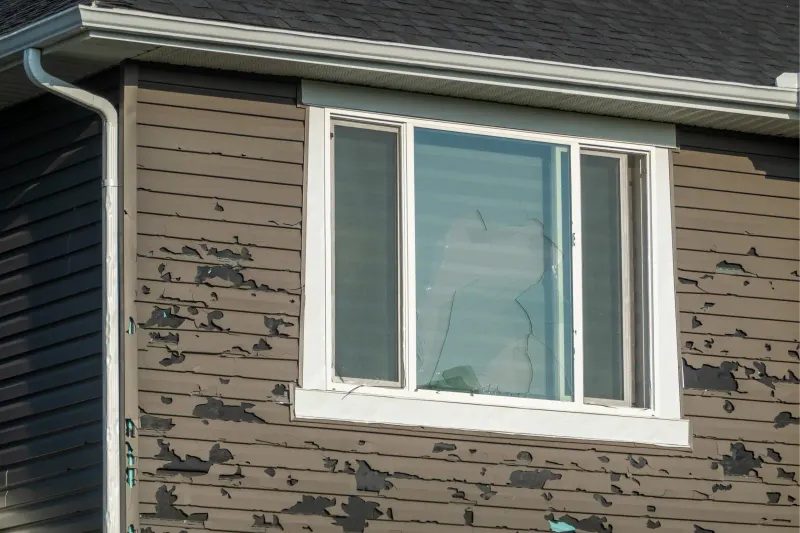
After a heavy storm rolls through, your siding can take a serious beating. Hailstones, even small ones, can leave behind marks that affect your home’s appearance and protection. The tricky part? Some of this damage isn’t easy to spot at first glance, which means many people miss it until bigger problems show up.
This blog will walk you through the most common signs to look for, the tools you’ll need, and what to do once you find damage. You’ll also learn how different siding materials react to hail and when it’s time to call in a pro. Keep reading to protect your home and your wallet.
Why Hail Damage to Siding Is a Big Deal
Hail might seem harmless once it melts, but the impact it leaves behind can cause long-term issues. Even small dents or cracks can let moisture sneak in behind your siding. Over time, this leads to mold, rot, and even structural problems.
The cost of ignoring hail damage to siding can add up fast. What starts as a tiny crack can turn into thousands of dollars in repairs. That’s why catching the damage early is so important. A quick inspection after a storm can save you a lot of stress later.
Common Issues Caused by Hail
- Cracked or chipped siding panels
- Loose or missing pieces
- Water seeping into walls
- Faded or scratched paint
- Reduced energy efficiency
Signs of Hail Damage on Different Siding Types
Not all siding reacts to hail the same way. Knowing what to look for based on your material helps you spot trouble faster. Here are the most common signs of hail damage to siding that owners should know.
Vinyl Siding
Vinyl is popular but also pretty vulnerable to hail. Look for cracks, chips, and holes. Sometimes you’ll see a clean break or a chunk missing right where the hailstone hit. Hail damage to vinyl siding often shows up as horizontal cracks or splits along the panels.
Wood Siding
Wood can show dents, splinters, and chipped paint. You might also see small, round marks where hail hit hard. Since wood absorbs water, untreated damage can lead to rot quickly.
Aluminum or Metal Siding
Metal siding usually shows dents that look like dimples. While they may seem cosmetic, repeated hits can weaken the panels and let water in around seams.
Fiber Cement Siding
This material holds up better than most, but it can still crack or chip. Look closely at edges and corners, where damage tends to start. Spotting these early signs of hail damage to vinyl siding can save you from costly replacements down the road.
How to Spot Siding Hail Damage Step by Step
Knowing how to spot siding hail damage doesn’t take special training. You just need good lighting, a steady hand, and a little patience. Here’s how to do a basic check yourself.
Step 1: Walk Around Your Home
Start by walking the full perimeter of your house. Look at each side carefully, since hail often hits one direction harder than others. Pay extra attention to the side that faced the storm.
Step 2: Check Eye-Level Damage First
Look for obvious cracks, dents, or holes at eye level. These are the easiest to find without a ladder. Mark them with chalk or painter’s tape so you can show a contractor later.
Step 3: Inspect Higher Areas
For upper floors, use binoculars or a zoom lens on your phone. Don’t climb a ladder unless you’re trained and have someone spotting you. Safety first, always.
Step 4: Look at Other Surfaces
Check your gutters, downspouts, window screens, and outdoor AC unit. If those show dents, your siding probably has damage too.
Step 5: Take Photos
Snap clear pictures of every dent, crack, or chip. Date them and save them in one folder. You’ll need these later for insurance claims or repair estimates. These visual records are especially helpful when reviewing signs of hail damage to siding that experts may need to confirm.
What a Professional Storm Damage Siding Inspection Looks Like
While you can do a quick check yourself, a pro will catch things you might miss. A proper storm damage siding inspection includes a full review of every panel, seam, and trim piece. Experts know what hidden damage looks like and where it tends to hide.
What’s Included in a Pro Inspection
| Inspection Area | What They Check |
| Siding panels | Cracks, chips, holes, dents |
| Trim and corners | Loose pieces, damage |
| Caulking and seams | Gaps or breaks |
| Underlying structure | Moisture, rot |
| Surrounding areas | Gutters, soffits, fascia |
A storm damage siding inspection also helps with insurance claims. Most companies want documented proof from a licensed pro before they approve repairs. Learn more about our hail and storm damage repair services to see how we can help.
When to Repair vs. Replace Your Siding
Once you find damage, the next question is whether to repair or replace. The answer depends on how bad the damage is and how old your siding is. Understanding the full extent of hail damage to siding is the first step toward making the right call.
Repair Makes Sense When:
- Only a few panels are damaged
- The siding is fairly new
- The damage is mostly cosmetic
- Matching panels are available
Replacement Is Better When:
- Damage covers a large area
- Siding is old or already fading
- Moisture has gotten behind the panels
- Multiple storms have hit over the years
Learning how to spot siding hail damage before the problem worsens is the best way to protect your investment.
How to Prevent Future Hail Damage
You can’t stop hail from falling, but you can take steps to reduce its impact. Choosing impact-resistant siding is a smart upgrade if you live in a storm-prone area. Some materials are rated to handle larger hailstones without cracking or denting.
Regular maintenance also helps. Keep an eye on your siding year-round, not just after storms. Small issues are easier and cheaper to fix when caught early. Trimming nearby trees and clearing gutters can also reduce the risk of secondary damage during storms.
Trust Brandon J Roofing for Expert Siding Care
At Brandon J Roofing, we know how stressful storm damage can be. Our team brings years of hands-on experience to every project, and we treat each home like it’s our own. From quick inspections to full siding replacements, we handle it all with care, honesty, and skill. Our clients trust us because we show up on time, explain every step, and stand by our work.
If a recent storm has left you worried about your siding, don’t wait for the damage to get worse. Let our team take a look and give you a clear siding repair plan. We’re here to answer your questions, walk you through your options, and help you protect your home for years to come.