EPDM Roof Repair: How to Patch Seams and Fix Punctures on Rubber Flat Roofs
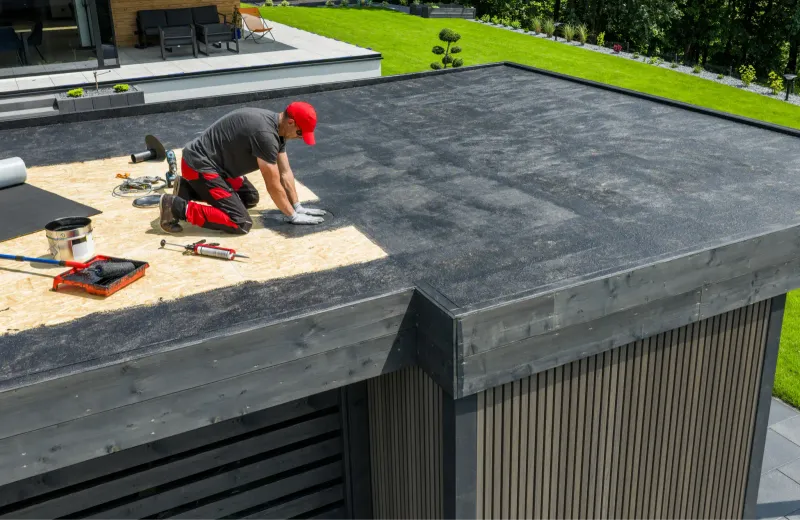
Rubber flat roofs are tough, but they’re not invincible. Over time, seams can pull apart, punctures can pop up from foot traffic or debris, and small cracks can turn into big leaks. If you’ve got a rubber roof on your home or commercial building, you’ve probably run into one of these issues already. The good news? Most problems can be fixed without replacing the whole roof.
In this guide, you’ll learn how to spot common EPDM issues, gather the right tools, and patch your roof step by step. We’ll cover seam repairs, puncture fixes, and tips to help your roof last longer. Keep reading to save time, money, and stress on your next repair.
What Is EPDM and Why Does It Fail?
EPDM stands for ethylene propylene diene monomer. It’s a synthetic rubber that’s been used on flat roofs for decades. It’s flexible, weather-resistant, and lasts 20 to 30 years when installed right. But like any roofing material, it doesn’t last forever.
Most EPDM problems come from a few common causes:
- Aging adhesive at seams that lose grip over time
- Punctures from dropped tools, branches, or HVAC work
- Shrinkage that pulls the membrane tight and stresses corners
- Ponding water from poor drainage
- UV exposure that breaks down the surface
Knowing why your roof is failing helps you pick the right fix. A loose seam needs a different approach than a clean puncture. If drainage is the root issue, check out our tips on flat roof drainage before you patch anything.
Signs Your Rubber Roof Needs Repair
Catching small problems early saves big money later. Walk your roof at least twice a year and after major storms. Here’s what to look for:
Visible Damage
- Tears, cuts, or holes in the membrane
- Bubbles or blisters on the surface
- Cracks near seams or flashing
- Loose edges pulling away from the wall
Hidden Warning Signs
- Water stains on ceilings inside the building
- Musty smells in upper rooms
- Sagging spots on the roof deck
- Pools of water that sit for more than 48 hours
If you spot any of these, it’s time for an EPDM roof repair. Don’t wait for a full leak to start. Small fixes now beat full replacements later.
Tools and Materials You’ll Need
Before you climb up, gather everything you need. Running back down for supplies wastes time and leaves your roof exposed. A solid rubber roof repair kit usually includes most of what you need, but here’s the full list:
- EPDM cleaner/primer: Preps the surface for adhesion
- Seam tape or peel-and-stick patch: Bonds to the membrane
- Liquid EPDM or lap sealant: Seals edges and small gaps
- Utility knife: Cuts patches to size
- Stiff bristle brush: Cleans dirt and debris
- Hand roller: Presses out air bubbles
- Clean rags: Wipes the surface
- Gloves and safety glasses: Protects you
Buy a rubber roof repair kit from a roofing supplier rather than a general hardware store. The quality is better, and the patches stick longer.
How to Patch EPDM Seams Step by Step
Seam failure is the most common issue on rubber roofs. Water sneaks under loose seams and damages the deck below. Here’s how to patch EPDM roof seams the right way.
Step 1: Clean the Area
Sweep away dirt, leaves, and gravel. Then scrub the seam with an EPDM cleaner and a stiff brush. The surface must be dry and dust-free before you move on. Skipping this step is the top reason patches fail.
Step 2: Apply Primer
Brush primer along the seam, covering at least 3 inches on each side. Let it dry until it feels tacky but doesn’t lift off on your finger. This usually takes 5 to 10 minutes.
Step 3: Cut and Place the Patch
Cut your seam tape or cover strip about 6 inches wide. Round the corners with scissors to keep edges from lifting. Center it over the seam and press it down firmly.
Step 4: Roll It Out
Use a hand roller to press the patch from the center outward. This pushes out air bubbles and locks the patch to the membrane. Roll it two or three times for a strong bond.
Step 5: Seal the Edges
Apply lap sealant along all edges of the patch. This adds a waterproof barrier and stops water from creeping under. A proper EPDM seam repair can last 10 years or more when done right.
How to Fix Punctures in Rubber Roofing
Punctures are smaller than seam issues but just as serious. Even a tiny hole lets water in. Here’s how to handle them.
Small Punctures (Under 1 Inch)
- Clean the area with EPDM cleaner.
- Cut a flat roof rubber patch at least 3 inches wider than the hole on every side.
- Apply primer to the roof and let it get tacky.
- Press the patch down and roll it firmly.
- Seal the edges with lap sealant.
Larger Punctures or Tears
For holes bigger than 1 inch, you may need to add backing material under the patch. Slide a piece of EPDM under the tear, glue it in place, then apply a flat roof rubber patch on top. This double-layer method keeps the deck protected even if water gets past the top layer.
When to Call a Pro
If the puncture is near a seam, drain, or flashing, the job gets tricky fast. Edges and corners need extra skill to seal properly. Calling a pro for these spots is worth it, and a thorough EPDM seam repair in those areas can save you from a full tear-off down the road.
Common Mistakes to Avoid
Even a good plan can go wrong if you skip the basics. Watch out for these slip-ups:
- Patching on a wet roof. Moisture kills adhesion. Wait for a dry day with temps above 40°F.
- Using the wrong sealant. Standard caulk won’t bond to EPDM. Always use EPDM-rated products.
- Skipping the primer. Primer isn’t optional. Without it, your patch will peel within months.
- Stretching the patch. EPDM should lie flat and relaxed. Stretched rubber will pull back and break the seal.
- Ignoring the cause. A patch only fixes the symptom. If ponding water or poor drainage caused the damage, fix that too.
Also, consider your roofing material in the long term. If your roof is near the end of its life, a patch is just a stopgap. You may want to compare options like EPDM vs TPO before sinking money into another EPDM roof repair.
How to Extend the Life of Your EPDM Roof
A few good habits can add years to your rubber roof:
- Inspect twice a year, in spring and fall.
- Clear debris so leaves and branches don’t trap moisture.
- Trim trees that hang over the roof.
- Check drains and scuppers after every storm.
- Schedule a pro inspection every 3 to 5 years.
Routine care costs far less than emergency repairs. And when you do need help, a good roofer can spot small issues before they spread. Pair these habits with quality flat roofing services, and your EPDM roof can hit the high end of its lifespan.
When to Repair vs. Replace
Sometimes a patch isn’t enough. Here’s a quick way to decide:
Repairs:
- One or two small leaks
- Roof under 15 years old
Replacement:
- Multiple seam failures
- Widespread shrinkage
- Soft, spongy deck below
If you’re stuck between the two, get a pro opinion. A roofer can give you a clear picture of what’s left in your current roof, and the right flat roof rubber patch strategy can buy you several more years before a full replacement.
Keep Your Roof In Shape with The Pros
At Brandon J Roofing, we’ve helped property owners across the region keep their flat roofs strong, dry, and built to last. Whether you need a quick patch, a full seam overhaul, or expert advice on what your roof really needs, our team brings years of hands-on experience to every job. We use top-grade materials, proven methods, and a straightforward approach that puts your needs first. A reliable rubber roof repair kit in the hands of a trained crew makes all the difference.
Don’t let a small leak turn into a big problem. Our crew is ready to inspect your roof, walk you through your options, and deliver repairs that stand up to the weather year after year. From the first call to the final inspection, you’ll work with people who care about getting it right.