What Is a Built-Up Roof (BUR)? Layers, Cost, and Commercial Applications
Flat roofs come with their own set of challenges, and choosing the right system can feel overwhelming. Leaks, ponding water, and short lifespans are common headaches that can drain your budget fast. If you’ve been researching options for your commercial building, you’ve likely come across the term “built-up roof” (BUR). It’s one of the oldest and most trusted flat roofing systems, but it’s not always clear how it works or whether it’s the right fit.
In this blog, you’ll learn what a built-up roof is, how it’s made, what it costs, and where it works best. We’ll also break down its pros and cons so you can make a smart choice for your property. Keep reading to get a clear look at this time-tested roofing option.
What Is a Built-Up Roof?
So, what is a built-up roof? A built-up roof, often called BUR, is a flat or low-slope roofing system composed of multiple layers. These layers are stacked one on top of the other to create a tough, waterproof surface. The system has been used for more than 100 years, which is why it’s sometimes nicknamed the “tar and gravel” roof.
The basic idea is simple. You alternate layers of waterproof material (bitumen) with layers of reinforcing fabric (ply sheets). The top layer is usually finished with gravel or a reflective coating. This combo gives the roof strength, durability, and protection from the weather.
Why It’s Still Popular Today
Even with newer options on the market, built-up roofing remains a top pick for commercial buildings. Why? It offers great waterproofing, handles foot traffic well, and lasts a long time when installed correctly. Plus, the multiple layers give you extra peace of mind. If one layer takes damage, the others still keep water out.
The Layers of a Built-Up Roof
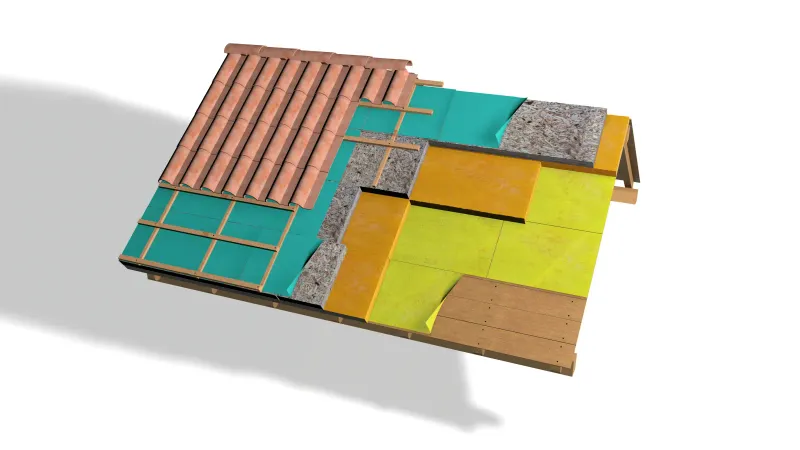
A BUR system isn’t just one piece of material. It’s a carefully built structure with several parts. Each layer plays a role in keeping your building safe and dry.
Breakdown of Each Layer
Here’s what you’ll typically find in a BUR roofing system:
- Insulation Board: Sits on top of the roof deck and helps with energy efficiency.
- Base Sheet: The first layer that’s attached to the insulation or deck.
- Ply Sheets: Layers of reinforcing fabric, usually fiberglass or organic mat. Most roofs have three to five ply sheets.
- Bitumen: Hot asphalt or coal tar poured between each ply sheet to bond them together and seal out water.
- Surfacing Layer: The top coat, which can be gravel, mineral granules, or a reflective coating.
Each layer adds strength and waterproofing. The more plies your roof has, the more protection it offers.
The Role of Gravel
The gravel on top isn’t just for looks. It protects the layers below from UV rays, weather damage, and foot traffic. A gravel roof flat surface also helps with fire resistance and adds weight to keep the system in place. Some property owners love the classic look, while others prefer smoother finishes with cap sheets or coatings.
Cost of a Built-Up Roof
Cost is always a big factor when picking a roofing system. The good news? BUR is often more affordable than some newer options, especially over the long haul.
What You Can Expect to Pay
The tar-and-gravel roof cost usually falls between $5.50 and $8.50 per square foot, installed. For a 10,000-square-foot commercial roof, that’s about $55,000 to $85,000. Several things affect the final price:
- Number of layers: More plies mean higher costs but better durability.
- Type of bitumen: Asphalt is cheaper than coal tar.
- Roof size and shape: Bigger, simpler roofs cost less per square foot.
- Tear-off needs: Removing an old roof adds to the price.
- Insulation: Better insulation costs more upfront but saves on energy bills.
For a deeper look at pricing for various systems, check out our guide on flat roof replacement cost.
Long-Term Value
A BUR roof can last 20 to 30 years with proper care. When you break down the cost over its lifespan, it’s one of the most budget-friendly choices for large commercial buildings. Maintenance is also pretty straightforward, which keeps long-term costs down.
Where Built-Up Roofs Work Best
BUR isn’t right for every building, but it shines in certain settings. Knowing where it works best can help you decide if it’s the right fit.
Best Commercial Applications
A BUR roofing system is a great match for:
- Large flat-roof buildings: Warehouses, factories, and big-box stores.
- High-traffic roofs: Buildings with rooftop equipment that needs regular service.
- Hot climates: The reflective gravel surface helps reduce heat absorption.
- Older buildings: BUR has been around forever, so it’s a familiar choice for retrofits.
If your building has many HVAC units, vents, or other rooftop equipment, the tough surface of a built-up roof can withstand wear and tear better than thinner systems.
When to Consider Other Options
That said, BUR isn’t perfect for every job. If your building has a steep slope or you want a lightweight system, you might consider other flat roof materials. Single-ply systems like TPO roofing are lighter and faster to install, though they may not last as long without proper care.
Pros and Cons of Built-Up Roofing
Like any roofing system, BUR has its strengths and weaknesses. Here’s a quick look at both sides.
The Good
- Long lifespan: 20 to 30 years with regular upkeep.
- Great waterproofing: Multiple layers mean fewer leaks.
- Fire resistance: Gravel and asphalt resist flames well.
- UV protection: The top layer shields the roof from sun damage.
- Low maintenance: Repairs are usually simple and cheap.
The Not-So-Good
- Heavyweight: Your building’s structure must support the load.
- Slow installation: Multiple layers take time to apply.
- Strong odors: Hot bitumen emits a strong odor during installation.
- Not great for cold climates: BUR can crack in freezing temps.
- Hard to inspect: Damage under the gravel layer can be tough to spot.
Weighing these points against your building’s needs will help you decide if built-up roofing is the right move.
Maintenance Tips for a Built-Up Roof
To get the most out of your BUR system, regular maintenance is essential. The good news is that maintenance isn’t complicated. A little effort goes a long way.
Simple Steps to Extend Roof Life
Here are some easy ways to keep your roof in top shape:
- Get a visual inspection twice a year
- Clear debris and drains every 3 months
- Check for ponding water after heavy rain
- Book a professional inspection once a year
- Repair small issues as soon as spotted
Keeping drains clear is especially important. Standing water is one of the biggest threats to any flat roof, and clogged drains are often the cause.
Spotting Trouble Early
Look for signs like cracked gravel, bubbling, soft spots, or visible bitumen. If you see any of these, call a pro right away. Catching problems early can save you thousands in repairs down the road. A well-maintained gravel roof flat system can outlast many newer options when you stay on top of small issues.
Is BUR Right for Your Building?
Choosing a roofing system is a big decision. You want something that protects your investment, fits your budget, and lasts for years. BUR checks a lot of those boxes, especially for large commercial properties.
Think about your building’s size, location, and how often people walk on the roof. Also, consider your budget, both upfront and over time. If you want a system that’s been proven for over a century and handles tough conditions well, the tar-and-gravel roof cost is often worth every penny.
Still not sure? Talking to a roofing pro can help you weigh your options and find the best fit for your property. Every building is different, and what works for one may not work for another.
Discover The Power of BUR
At Brandon J Roofing, we bring decades of hands-on experience to every commercial roofing project. Whether you’re considering a built-up roof, a single-ply system, or need help maintaining your current roof, our team has the skills and know-how to guide you. We focus on quality work, clear communication, and lasting results, so your building stays protected for years to come.
Choosing the right roofing system shouldn’t be a guessing game. Our experts are ready to walk you through your options, answer your questions, and help you make a smart choice that fits your budget and goals. From inspections to full installations, we handle every project with care and pride.