Blown-In vs. Batt Insulation: Which Is Better for Your Attic?
Picking the right attic insulation can feel like a tough call. Your attic plays a huge role in keeping your home comfy and your energy bills low. But with so many options out there, it’s easy to feel stuck. Two of the most popular picks—blown-in and batt insulation—both have their fans, and each one brings something different to the table.
In this guide, we’ll break down the blown-in vs. batt insulation debate so you can pick the best option for your home. We’ll cover how each one works, its pros and cons, costs, and how they stack up in terms of energy savings. By the end, you’ll know exactly which type fits your attic, your budget, and your long-term goals.
What Is Blown-In Insulation?
Blown-in insulation, also called loose-fill insulation, is made of small bits of fiberglass, cellulose, or mineral wool. Pros use a special machine to blow these tiny pieces into your attic through a long hose. The material fills every nook, gap, and corner, creating a thick blanket of coverage.
Common Types of Blown-In Insulation
- Fiberglass loose-fill – Made from spun glass fibers and great at resisting moisture.
- Cellulose – Made from recycled paper treated with fire retardants. It’s eco-friendly and dense.
- Mineral wool – Made from rock or slag fibers. It handles heat and fire really well.
This type works great for attics with odd shapes, lots of obstacles, or hard-to-reach spots. It’s also a top pick when you want to add more insulation on top of what’s already there.
What Is Batt Insulation?
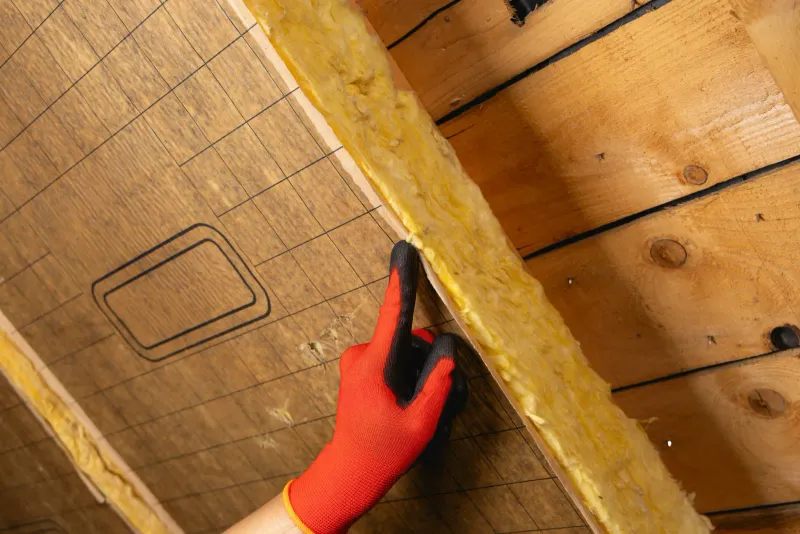
Batt insulation comes in pre-cut rolls or panels, usually made of fiberglass or mineral wool. You roll it out between attic joists, and it sits there like a cozy blanket. Some batts come with a paper or foil backing that works as a vapor barrier.
Batts are simple to install in attics with standard joist spacing and flat, open layouts. If your attic is clean, square, and easy to walk around in, batts can be a strong choice. But if there are pipes, wires, or tight spaces, batts can leave gaps that hurt their performance.
Blown-In vs Batt Insulation: Key Differences
Let’s dig into how these two stack up side by side. The blown-in vs batt insulation comparison really comes down to coverage, cost, and how well each one fits your space.
| Feature | Blown-In Insulation | Batt Insulation |
| Coverage | Fills gaps and odd spaces well | Best for open, even attics |
| Installation | Needs a blower machine | Easy DIY for handy folks |
| R-value per inch | R-2.2 to R-3.8 | R-2.9 to R-3.8 |
| Cost | Slightly higher upfront | Often cheaper per square foot |
| Settling | Can settle over time | Stays in place |
| Air Sealing | Better at sealing small leaks | Can leave gaps at edges |
Coverage and Air Sealing
A loose-fill insulation comparison with batts shows a clear win for blown-in when it comes to filling cracks. Loose-fill material fills every corner, while batts often leave small gaps around wires, pipes, and joists. Those tiny gaps can let warm or cool air escape, which raises your energy bills.
R-Value and Energy Performance
R-value tells you how well insulation resists heat flow. The higher the number, the better. Most experts say attics need an R-value between R-38 and R-60, based on where you live. Both blown-in and batt insulation can hit that range, but you may need to layer batts or pile on more loose-fill to reach the right attic insulation R value.
Here’s a quick look at recommended levels by climate:
- Warm climates: R-30 to R-49
- Mild climates: R-38 to R-60
- Cold climates: R-49 to R-60
Blown-In Insulation vs Fiberglass Batts: Cost Breakdown
When folks compare blown-in insulation vs fiberglass batts, cost is often the deciding factor. Both options sit in a similar price range. Still, the final bill depends on your attic size, current insulation, and labor rates in your area.
Material Costs
- Blown-in fiberglass: $1 to $2 per square foot
- Blown-in cellulose: $0.60 to $2.30 per square foot
- Fiberglass batts: $0.30 to $1.50 per square foot
Labor Costs
Batts can be a DIY project if you’re handy and careful. Blown-in usually needs a pro with the right equipment. So while batts may cost less in materials, blown-in often gives you better coverage with less effort on your part. This is a key point in any decision between blown-in insulation and fiberglass batts.
Long-Term Value
Blown-in insulation tends to perform better over time when installed correctly. That can mean lower energy bills year after year. Batts might save you money upfront, but those small gaps can cost you more in the long run.
Which Is the Best Attic Insulation Type for Your Home?
Choosing the best attic insulation type depends on a few key things. Let’s walk through what to think about before you decide.
Pick Blown-In If:
- Your attic has lots of corners, pipes, and wires.
- You want to add insulation over the existing material.
- You need top-notch air sealing.
- You’re hiring a pro anyway.
Pick Batts If:
- Your attic is open with standard joist spacing.
- You want a DIY-friendly option.
- You’re working with a tight budget.
- You need a vapor barrier built in.
Mix Both for Best Results
Some homes do best with a mix of both. You can lay batts between the joists, then add blown-in on top to seal gaps and boost R-value. This combo delivers strong coverage and significant energy savings, making it the best attic insulation type for many older homes. Want to learn more about your choices? Check out our full guide on attic insulation types.
How Insulation Works With Your Roof
Your attic insulation doesn’t work on its own. It teams up with your roof, ventilation, and air sealing to keep your home comfy. Without proper airflow, even the best insulation can trap moisture, leading to mold or wood rot.
That’s why pros often look at the whole picture before recommending a fix. Good roof insulation and ventilation work together to push out hot, damp air in summer and keep heat in during winter. If you’re planning a roof replacement, it’s the perfect time to upgrade your attic insulation, too.
For homes that need extra sealing power, spray foam insulation is another option worth a look. It costs more but seals tighter than any other type.
Common Mistakes to Avoid
Even the best insulation won’t help if it’s installed incorrectly. Here are some slip-ups to watch for:
- Blocking vents: Soffit vents must remain clear for proper airflow.
- Skipping air sealing: Always seal gaps and cracks before laying insulation.
- Compressing batts: Squishing batts to fit tight spots lowers their R-value.
- Uneven coverage: Gaps and thin spots hurt performance.
- Ignoring moisture: Fix leaks before adding new insulation.
Doing a loose-fill insulation comparison before you start can help you avoid these issues. And working with a roofing pro takes the guesswork out of the job.
Signs It’s Time to Upgrade Your Attic Insulation
Not sure if your attic needs new insulation? Look for these clues:
- High heating or cooling bills
- Uneven room temperatures in your home
- Ice dams on your roof in winter
- Drafts near ceilings or walls
- Insulation that looks flat, wet, or moldy
- You can see joists above the insulation
If you spot any of these signs, it’s time to think about an upgrade. Getting your attic insulation R value up to code can cut your energy use and make your home feel better year-round.
Make the Right Choice With Brandon J Roofing
At Brandon J Roofing, we know your attic is more than just storage—it’s a key part of your home’s comfort and energy use. Our team brings years of hands-on roofing know-how to every project, from full roof replacements to attic insulation upgrades. Whether you’re leaning toward blown-in, batts, or a combo of both, we’ll help you pick the option that fits your home, your goals, and your budget.
When you work with us, you get honest advice, quality materials, and a crew that treats your home like our own. We’re proud to be a trusted name in roofing, and we’d love to show you why. Don’t let another season pass with high energy bills and uneven temps.